


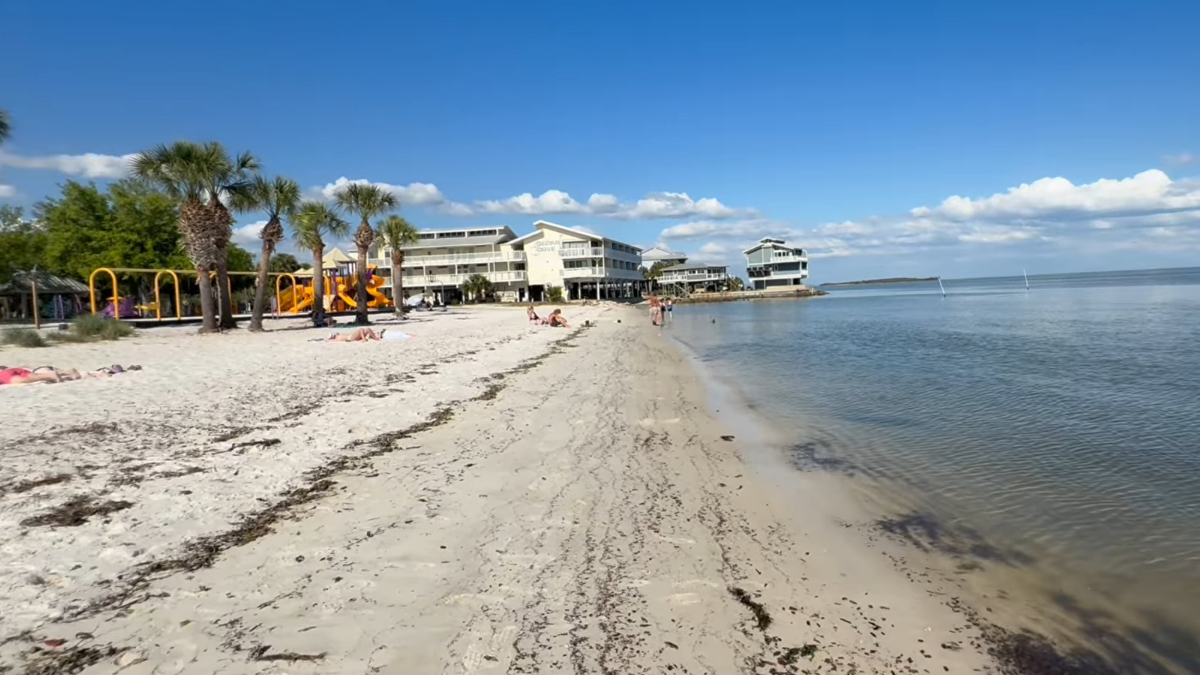
Florida changes quickly.
Orange groves become subdivisions. Two-lane roads gain six lanes. Familiar roadside landmarks disappear, and places that once felt small can become nearly unrecognizable within a generation.
But not everywhere.
Scattered around the state are towns where fishing boats still pull up beside working docks, century-old buildings line downtown streets and local history hasn’t been completely hidden behind newer Florida development.
“Old Florida” means something different depending on who you ask. For some people, it’s a Gulf fishing village. For others, it’s brick storefronts, moss-covered oaks, Greek sponge boats, cracker houses or a downtown where buildings have stood for more than a century.
These seven aren’t the only places that qualify. That’s part of the fun.
Florida Towns That Still Feel Like Old Florida
1. Apalachicola
Northwest Florida
Apalachicola doesn’t have to manufacture a maritime theme. It still has one.
Founded in 1831, this Panhandle community sits where the Apalachicola River meets Apalachicola Bay and remains closely tied to fishing and seafood. The city describes itself as one of Florida’s oldest port communities, with historic buildings, local shops and a maritime culture that remains visible around town. City of Apalachicola
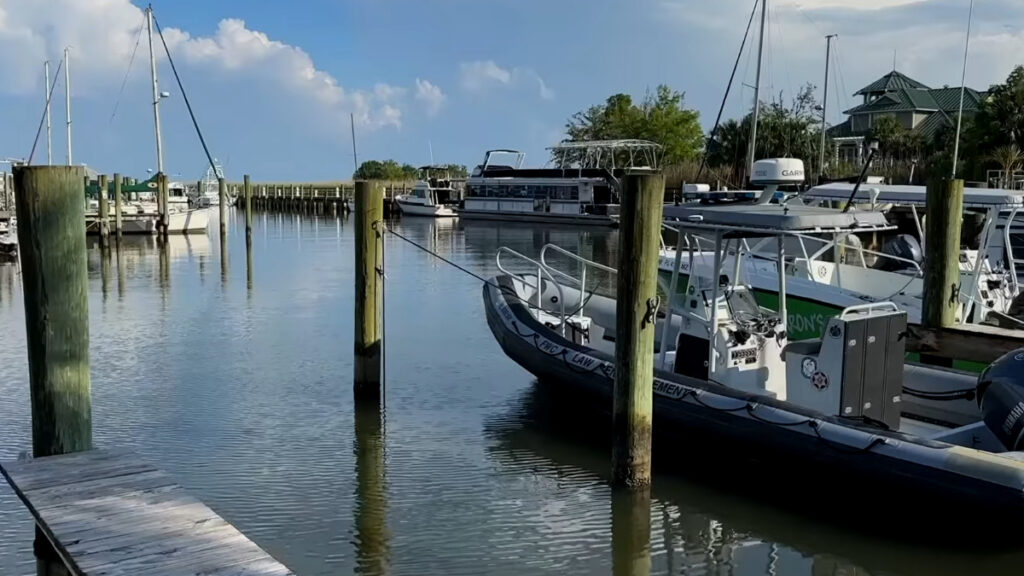
One of the clearest examples is Scipio Creek Boat Basin, locally known as the Mill Pond. It occupies the site of a former sawmill and today remains a commercial fishing marina as well as the home of the Apalachicola Farmers Market.
The seafood connection isn’t just nostalgia, either. The city’s own history traces commercial oyster harvesting in the area to the 1830s and says the industry has shaped Apalachicola’s culture for generations. Apalachicola’s seafood history
Historic homes, working boats and brick downtown buildings still sit within walking distance of the waterfront.
Why it feels different: Apalachicola still looks and functions like a small Gulf port rather than a waterfront development built to imitate one.
2. Cedar Key
Nature Coast
Cedar Key might be the easiest place on this list to picture when someone says “Old Florida.”
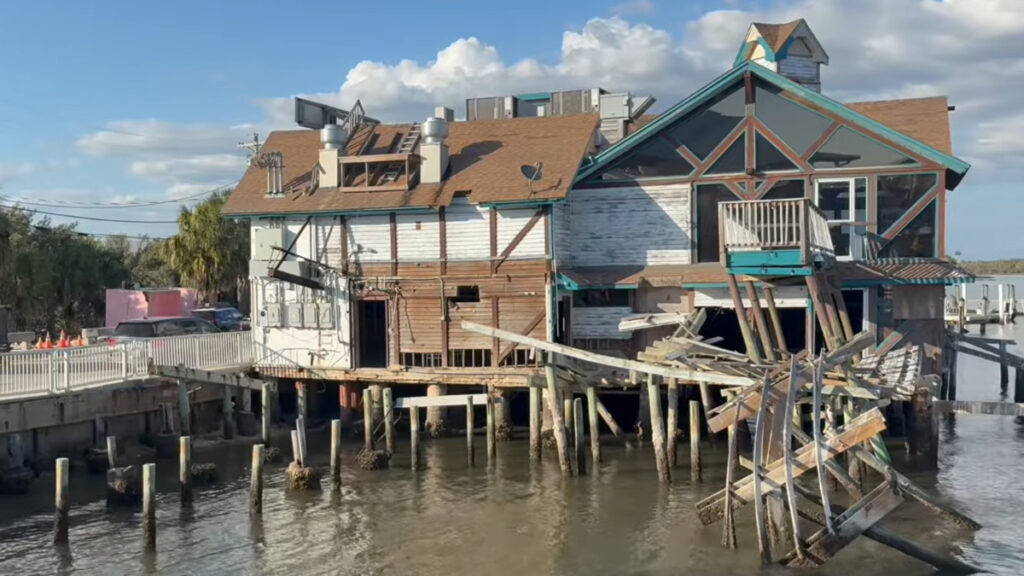
The small island community off North Central Florida remains centered on fishing, boating and the Gulf. Visit Florida still describes Cedar Key as a small fishing village, with Old Florida architecture and boats lining the marina around Dock Street. Visit Florida’s Cedar Key guide
Its history runs deeper than seafood.
Cedar Key was once the western end of David Levy Yulee’s Florida Railroad and became a major producer of cedar for the pencil industry during the 1800s. Florida State Parks says the lumber business took off around 1855, with Cedar Key’s pencil mills opening a decade later. Cedar Key’s cedar-industry history
At Cedar Key Museum State Park, visitors can still see exhibits devoted to those vanished industries and a restored 1880 home associated with longtime resident St. Clair Whitman. Cedar Key Museum State Park
Recent hurricanes have damaged parts of Cedar Key, and recovery has been an ongoing reality for residents. That shouldn’t be confused with the reason the town belongs here. Its Old Florida character comes from its scale, history and continuing relationship with the water — not storm damage.
Why it feels different: There are still places where the marina, fishing boats and salt marsh feel more important to the town’s identity than large resorts or high-rise condos.
3. Micanopy
North Central Florida
Micanopy offers a completely different version of Old Florida.
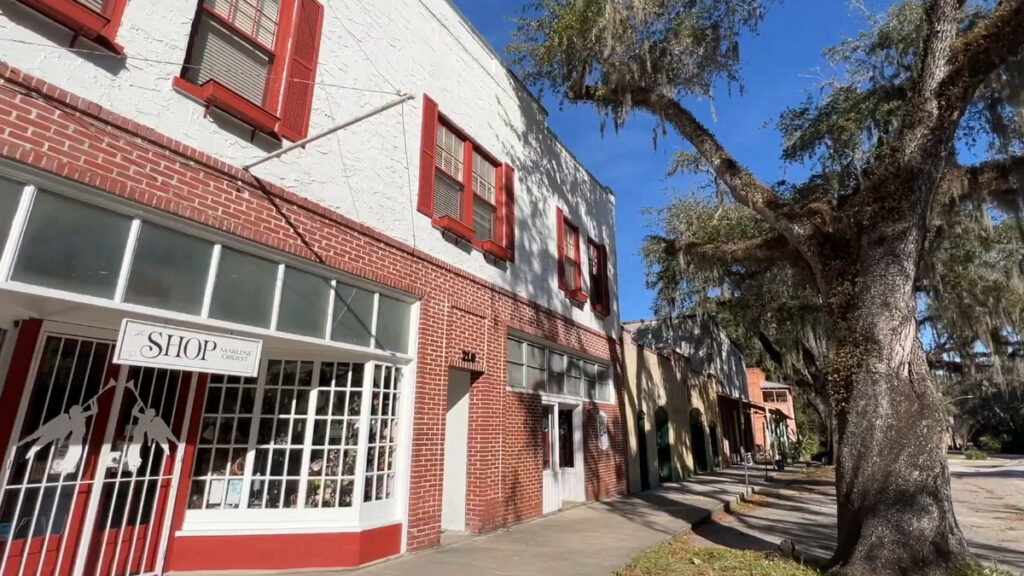
There is no Gulf waterfront here. Instead, there are live oaks, old houses, antique shops and a main street that can look like someone pressed pause on a small Florida town.
The Town of Micanopy calls itself Florida’s oldest inland town. Its own planning documents note that Cholokka Boulevard is listed on the National Register of Historic Places and that historic homes and old Florida cracker houses remain central to the town’s character.
Micanopy also has deep agricultural roots. After the Civil War, the area became known for orange and vegetable growing before freezes and broader economic changes transformed Florida agriculture.
Today, the historic commercial buildings along Cholokka Boulevard are filled largely with small shops, antiques and local businesses rather than the large-scale development found along many modern Florida corridors.
Drive a few blocks and moss-covered oak canopies take over again.
Why it feels different: Micanopy preserves the scale of an older inland Florida town — one where the main street, tree canopy and historic homes still determine how the place feels.
4. Fernandina Beach
Northeast Florida
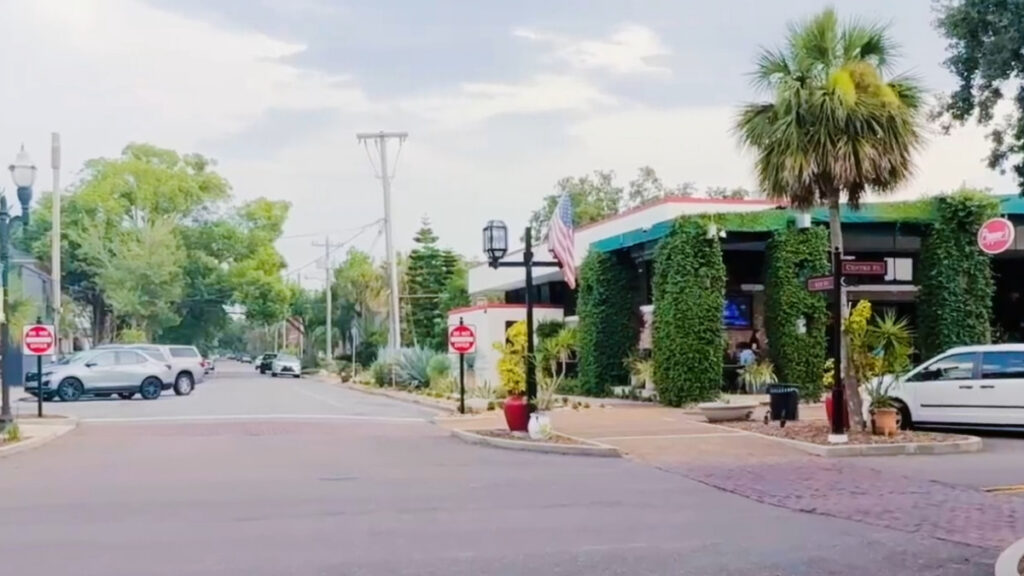
Fernandina Beach has beaches, resorts and plenty of visitors, but its downtown doesn’t feel interchangeable with every other coastal destination.
The city maintains both an Old Town Historic District and a larger Downtown Historic District. Old Town still follows a Spanish-era street plan dating to 1811, while the downtown that developed around Florida’s early railroad boom contains buildings from the late 19th and early 20th centuries. Fernandina Beach historic districts
The city says its roughly 50-block historic district is known for Victorian architecture.
And the waterfront still has a working connection to the sea. Fernandina Beach identifies itself as the birthplace of the modern shrimping industry and notes that shrimp boats continue to leave local docks. Fernandina Beach community history
That combination is what earns it a place here.
Centre Street can be busy, but its brick storefronts, Victorian-era buildings, nearby marina and shrimping history still give downtown a sense of place that’s difficult to reproduce in a newly built coastal district.
Why it feels different: Fernandina Beach combines a preserved historic city with a waterfront that still remembers what it was built around.
5. Tarpon Springs
TampaAerialMedia via YouTube
Central Gulf Coast
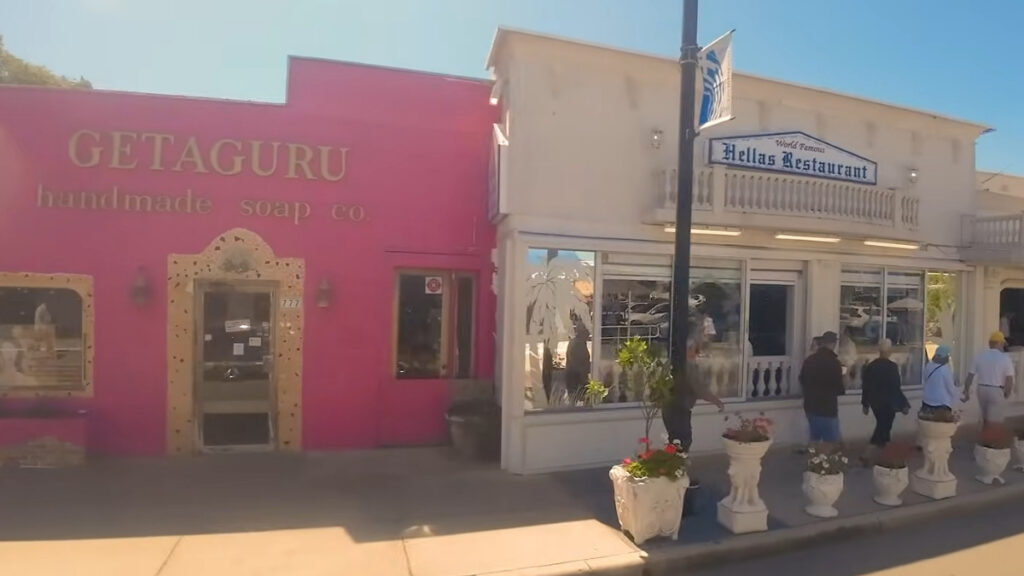
Tarpon Springs is Old Florida with a distinctly Greek accent.
Greek immigrants arrived in large numbers during the early 1900s as the sponge-diving industry expanded, creating a cultural identity that remains unusually visible more than a century later.
Along Dodecanese Boulevard, boats still line the Sponge Docks and shops sell natural sponges while Greek bakeries and restaurants fill the surrounding blocks. Visit Florida calls Tarpon Springs the “Sponge Capital of the World” and points to its Greek heritage and sponge-diving history as defining parts of the community. Visit Florida’s Tarpon Springs guide
This isn’t merely a tourist theme layered onto the city.
Tarpon Springs has both a National Register downtown district and a federally recognized Greektown Traditional Cultural Property District. The city’s historic-preservation office also points to deep-rooted cultural practices as part of what sets the community apart. Tarpon Springs historic preservation program
Then there’s the annual Epiphany celebration at Spring Bayou, a Greek Orthodox tradition that has become inseparable from the city’s identity.
Why it feels different: The sponge boats, Greek community, old downtown and bayous preserve a piece of Florida history that exists almost nowhere else in the state.
6. DeLand
Central Florida
DeLand proves Old Florida doesn’t have to mean fishing docks or a tiny rural town.
Its identity is architectural.
Downtown DeLand developed largely during the late 1800s and early 1900s, and the city has preserved an unusually large collection of buildings from that period.
The Downtown DeLand Historic District has been on the National Register of Historic Places since 1987. Nearby, the Stetson University Historic District contains buildings dating into the 1880s, including DeLand Hall, Stetson Hall and other early campus structures. City of DeLand National Register listings
Even downtown entertainment has history behind it.
The Athens Theatre dates to 1922, according to DeLand’s historic-property inventory, while nearby blocks include commercial and civic structures dating to the late 1800s and early 1900s.
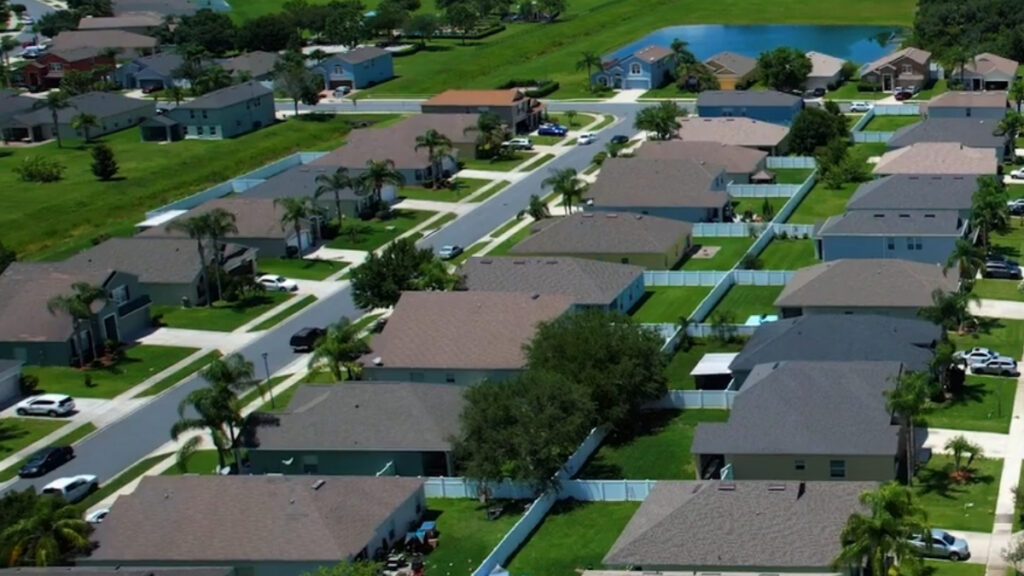
DeLand has grown substantially around its historic core, so calling it untouched by modern Florida would be wrong.
But walk Woodland Boulevard through downtown and the city still offers something increasingly uncommon: a Central Florida commercial center that evolved over generations instead of appearing all at once.
Why it feels different: The historic downtown is still a functioning center of town life, not simply a preserved block surrounded by a completely different identity.
7. Everglades City
Road Trip Insights via YouTube
Southwest Florida
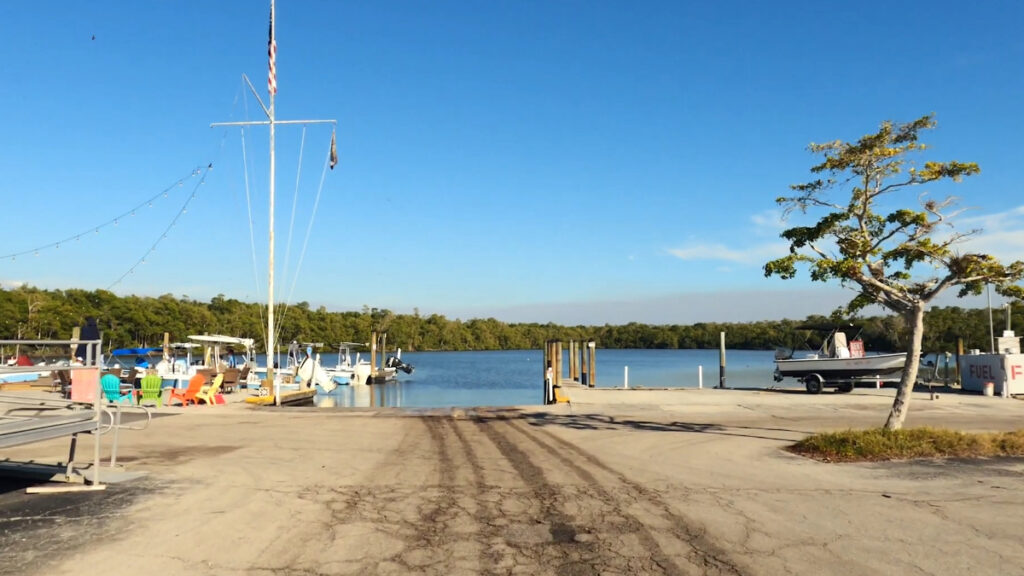
Everglades City feels like the end of the road because, geographically, it almost is.
Sitting near the Ten Thousand Islands and surrounded by immense stretches of wetlands, the small community remains closely tied to fishing, boating and the Everglades.
Stone crab is a particularly important part of that identity. Visit Florida calls Everglades City the “Stone Crab Capital of the World,” with local restaurants and seafood sellers serving the catch during the season that runs from October into spring. Visit Florida’s Everglades City guide
Then there is the Everglades Rod & Gun Club, a century-old property along the Barron River where boats can still pull up to the marina.
Just beyond town on Chokoloskee Island sits the historic Smallwood Store, a former trading post preserving another chapter of pioneer-era Southwest Florida.
The town has modern homes and tourism, of course, and its history is more complicated than any nostalgic label can capture. But its relationship with the surrounding wilderness remains dramatically different from the master-planned communities farther up Florida’s southwest coast.
Why it feels different: Everglades City still feels oriented toward boats, seafood, rivers and the Everglades themselves rather than toward the development patterns dominating much of coastal Southwest Florida.
So What Actually Counts as Old Florida?
That’s where Florida readers will probably disagree.
Maybe Old Florida is a commercial fishing marina in Apalachicola.
Maybe it’s a moss-covered street in Micanopy, sponge boats in Tarpon Springs or a shrimp boat leaving Fernandina Beach.
For someone else, the Florida they remember might be a citrus town, a roadside motel, a spring-fed swimming hole or a neighborhood restaurant that’s been serving the same grouper sandwich for 50 years.
And plenty of places that once felt unmistakably Old Florida have changed considerably.
That’s why lists like this are probably never finished.
Florida keeps building, rebuilding and reinventing itself. These seven towns simply show that pieces of its earlier identity are still visible — sometimes in architecture, sometimes on a working dock and sometimes in traditions that residents have kept alive for generations.
Which Florida town still feels most like the Florida you remember — and which one belongs on this list next?
