


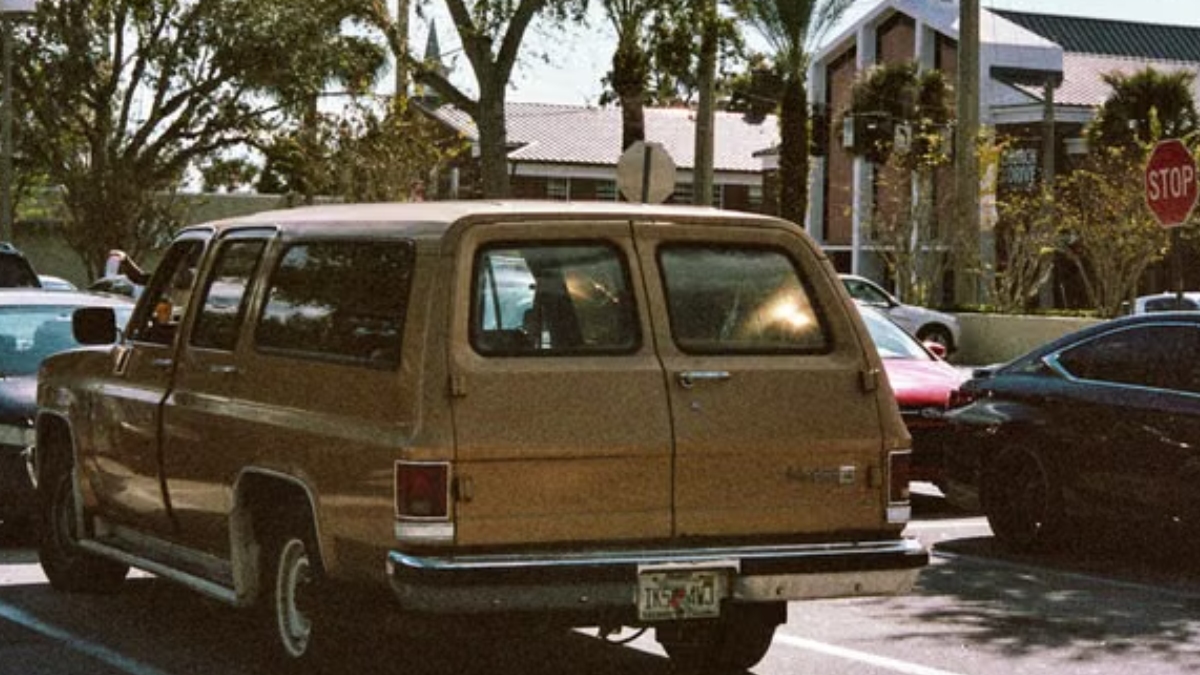
Anyone who has lived in Florida for a while knows the feeling of opening a parked car after spending some time outside. The steering wheel feels like it’s been sitting in an oven, the seats are almost too hot to touch, and turning on the air conditioning suddenly becomes the most important thing in the world. It’s one of those experiences that newcomers quickly learn to expect, especially during the warmer months.
However, there’s another lesson that comes with living in the Sunshine State: Some things should never be left inside a parked vehicle. Between the heat, humidity, and year-round sunshine, everyday items can become damaged much faster than people might expect. That phone you left on the passenger seat, the groceries you planned to bring inside later, or the sunscreen you keep in your beach bag might not handle the conditions very well.
And while Florida’s summer heat makes this especially important, it’s not a problem limited to July and August. According to the National Highway Traffic Safety Administration (NHTSA), a vehicle’s interior can reach more than 115 degrees when the outside temperature is just 70 degrees. That’s why even a quick stop at the grocery store, a day at the beach, or an afternoon at a theme park can create problems for belongings left behind.
Here are some things Floridians know are better off coming inside with them.
Electronics

Phones, tablets, laptops, wireless headphones, and power banks are among the first things people should remove from a parked car. Most modern electronics contain lithium-ion batteries, and excessive heat can reduce performance and shorten lifespan.
Apple, for example, recommends keeping iPhones and iPads within specific temperature ranges. The company says devices are designed to operate in ambient temperatures between 32 and 95 degrees Fahrenheit, with a recommended storage range that tops out at 113 degrees.
A parked car can exceed those temperatures, even when the weather outside doesn’t seem particularly extreme. When an iPhone gets too hot, it may stop charging, dim its display, disable certain features, or display a temperature warning until it cools down.
It’s not just phones, either. Laptops, tablets, portable chargers, and other battery-powered accessories can also be affected by prolonged heat exposure. Leaving a power bank in a vehicle is especially unnecessary when you can easily bring it inside with the rest of your belongings.
So, whether you’re heading into a Florida shopping mall, leaving your car at the airport, or spending the afternoon at the beach, remember to take your electronics with you.
Medicines
Another item that shouldn’t become a permanent passenger in your vehicle is medication.
Many prescription and over-the-counter medicines have specific storage requirements. Some need refrigeration, while others should be kept at controlled room temperatures and protected from excessive heat, moisture, or direct sunlight.
According to MedlinePlus, heat, air, light, and moisture can damage certain medications. Its guidance specifically warns against keeping medicines in a vehicle’s glove compartment because they can become too hot, cold, or damp.
This is especially important for people who carry medications such as insulin, inhalers, and emergency allergy treatments. The CDC notes that prolonged heat exposure can affect insulin, while some inhalers can malfunction or even burst in hot environments.
That doesn’t mean every medication becomes unusable after spending a few minutes in a warm car. However, if yours has been exposed to extreme heat, don’t simply assume it’s still fine. Check the manufacturer’s storage instructions and contact a pharmacist for guidance if you’re unsure.
Groceries and Takeaway Food
Floridians who regularly go grocery shopping during the warmer months know that leaving bags in the car while running a few more errands isn’t always a great idea.
Meat, seafood, dairy products, refrigerated groceries, and prepared meals need to be kept at safe temperatures. Unfortunately, a parked vehicle can become much hotter than the outside air, making it a poor place to store anything that needs refrigeration.
The USDA and FDA recommend refrigerating perishable foods within two hours, or within one hour when temperatures are above 90 degrees Fahrenheit. The CDC also identifies temperatures between 40 and 140 degrees as the food safety danger zone, where bacteria can multiply rapidly.
In Florida, that means you should plan grocery trips carefully. Try to make the supermarket your last stop before heading home, rather than leaving frozen food, meat, or dairy products in the vehicle while visiting several other places.
If you have a longer drive home, an insulated cooler with ice packs can help keep refrigerated items cold during transportation. Remember, an insulated bag without a cold source isn’t a substitute for refrigeration.
And yes, this applies to takeaway food, too. That seafood dinner you picked up on the way home shouldn’t sit in a hot vehicle for an extended period.
Aerosol Cans and Pressurized Products
This is one item that many people might not think twice about leaving in their cars.
Sunscreen sprays, deodorants, hairspray, cleaning products, and automotive aerosols are common in glove compartments or trunks. However, pressurized containers can become hazardous when exposed to excessive heat.
Warning labels on many aerosol products state that their containers may burst if heated. OSHA’s aerosol labeling guidance also says to protect these products from sunlight and keep them from temperatures above 122 degrees Fahrenheit.
Considering how hot a parked Florida vehicle can become, leaving these products behind is an unnecessary risk. A can sitting on a dashboard or near a sunny window is especially risky.
The best habit is simple: Take aerosol products inside instead of treating your car like a storage cabinet. This is especially important if you’re carrying multiple cans after a shopping trip.
Sunscreen, Cosmetics, and Everyday Products

It’s almost impossible to imagine a Florida beach trip without sunscreen. However, keeping that bottle permanently inside your vehicle isn’t necessarily the best idea.
The FDA recommends protecting sunscreen containers from excessive heat and direct sunlight to help maintain their condition and effectiveness. That’s especially relevant for people who leave sunscreen in a beach bag or glove compartment year-round.
Makeup, skincare products, and other cosmetics can also be affected by prolonged heat exposure. According to the FDA, heat can cause cosmetic preservatives to break down and allow bacteria and fungi to grow faster.
This doesn’t mean every lipstick or bottle of moisturizer will become unusable after one trip. However, repeatedly exposing these products to high temperatures isn’t a great storage habit.
If you use certain skincare products regularly, check the manufacturer’s storage recommendations rather than assuming they’ll be fine in a hot vehicle.
Glasses, Wax Products, and Other Easily Damaged Items
Some of the most frustrating things to leave in a hot car are everyday items that seem completely harmless.
For example, plastic eyeglass frames can become uncomfortable or misshapen when exposed to excessive heat. Sunglasses with specialized coatings, adhesives, or delicate components are also better kept somewhere temperature-controlled.
Then there are crayons, candles, and other wax-based products. Anyone who has ever found a melted crayon in the back seat knows how quickly a seemingly harmless item can turn into a colorful mess.
Chocolate, gummy candy, butter, and other heat-sensitive groceries aren’t much better. They might not always present a serious safety concern, but they can melt, change texture, or make a mess that’s considerably harder to clean up than expected.
Musical instruments deserve some attention, too. If you play guitar or own another wooden instrument, leaving it in a parked vehicle can expose it to damaging temperature and humidity changes. Guitar manufacturer C.F. Martin recommends keeping its instruments within a controlled temperature and humidity range, warning that high heat and humidity can weaken glue joints.
In other words, your guitar probably doesn’t appreciate being left in the car while you spend the afternoon enjoying a Florida beach.
Never Leave Children or Pets in a Parked Car
This is the most important rule on the list, and it deserves to be treated differently from everything else.
Children and pets should never be left unattended inside a parked vehicle, even if you’re only planning to run into a store for a few minutes. Rolling down the windows or parking in the shade does not make the situation safe.
According to NHTSA, a vehicle’s interior can reach more than 115 degrees when the outside temperature is just 70 degrees. The agency also explains that a child’s body temperature can rise three to five times faster than an adult’s.
Pets face similar dangers. The CDC specifically warns that animals should never be left inside parked vehicles, even when the weather seems relatively mild or the windows are cracked.
Florida residents and visitors should take this seriously, especially during beach trips, shopping stops, school pickups, and visits to crowded attractions.
If you see a child alone in a vehicle, check whether they’re responsive and call 911 immediately if they appear distressed or unresponsive. If you see an animal in a potentially dangerous situation, contact emergency services or local animal control.
A quick errand simply isn’t worth taking that risk.
Simple Florida Habits That Prevent Problems
Living in Florida means getting used to certain routines, and knowing what to remove from your vehicle should be one of them.
For starters, make it a habit to bring electronics, medication, cosmetics, and other heat-sensitive belongings inside whenever you leave your car for an extended period. If you’re going grocery shopping, consider keeping an insulated cooler with ice packs for refrigerated products, especially on longer drives home.
It’s also worth checking the labels on products you regularly carry. Medicines, sunscreen, aerosols, and other items may have specific temperature requirements that are easy to overlook.
Finally, don’t assume parking in the shade or leaving a window slightly open will keep your belongings safe. Those measures don’t reliably prevent a parked vehicle from becoming extremely hot.
Florida sunshine is great when you’re spending the day at the beach, visiting a theme park, or enjoying an afternoon outdoors. However, a parked car is a different story.
After all, locals know that sometimes the best thing you can do for your belongings is simply take them with you.
