


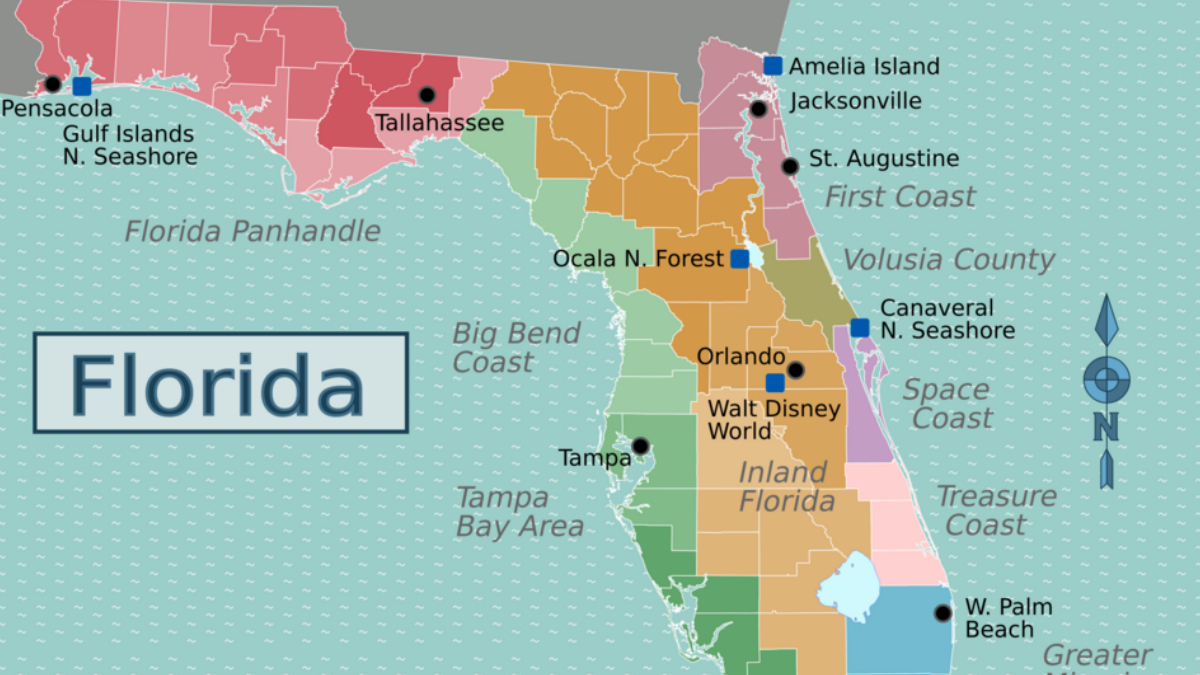
Saying someone lives “in Florida” often tells me surprisingly little about what their Florida actually looks like.
Are we talking about a high-rise condo overlooking Biscayne Bay? A cattle ranch outside Okeechobee? A bungalow near Tampa Bay? A house shaded by live oaks outside Tallahassee? Or an island home where there is essentially one highway connecting you to the mainland?
I think Florida makes more sense once you stop trying to describe it as one place.
Its unusual shape stretches hundreds of miles from Alabama and Georgia to Key West. Generations of immigration arrived through different doors. Tourism transformed some regions while barely touching others. Agriculture, ports, military bases, retirees and theme parks built entirely different local economies.
The result is less one Florida than several Floridas sharing a license plate.
South Florida Faces the Caribbean
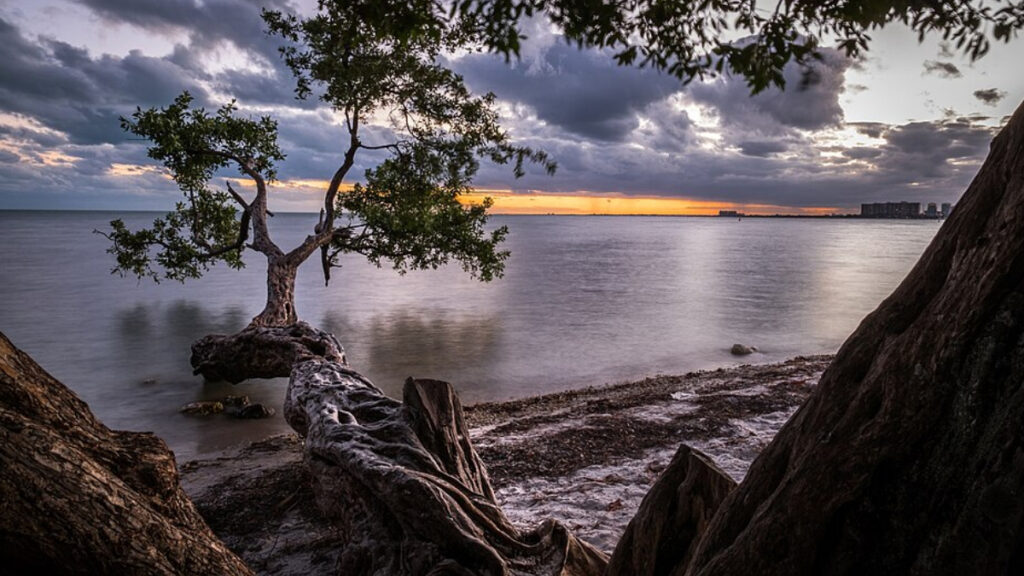
Miami is the most obvious example.
South Florida doesn’t simply feel like a warmer version of North Florida. Its relationship with Latin America and the Caribbean is visible in language, food, music, businesses and family connections.
The latest Miami-Dade Census estimates show that about 70% of county residents are Hispanic or Latino and more than half were born outside the United States.
That doesn’t make Miami culturally uniform. Cuban Miami, Haitian Miami, Colombian Miami, Venezuelan Miami and older Black and Bahamian communities all contribute different histories.
But it does help explain why Miami can feel culturally further removed from parts of North Florida than the state map suggests.
Then the Mainland Runs Out
Drive south and Florida changes again.
The Keys aren’t merely South Florida with smaller buildings. Geography dictates life there.
Monroe County describes the Keys as a chain of low-lying islands stretching more than 120 miles, with communities connected largely by U.S. 1. The county’s geographic profile notes that the county itself is roughly 73% water.
That physical isolation helped produce something distinct: fishing culture, maritime history, tourism, environmental constraints and an island pace that doesn’t resemble Orlando suburbia or inland cattle country.
Even within the Keys, Key Largo and Key West don’t feel identical.
That’s the recurring theme in Florida: every regional label immediately develops exceptions.
Orlando Is Its Own Machine
Central Florida demonstrates what happens when tourism doesn’t just visit a place but helps reorganize it.
Orlando’s identity is inseparable from theme parks, hotels, convention centers and the enormous service economy built around millions of visitors. Orange County collected roughly $385 million in tourist-development taxes in fiscal 2025, according to Orlando’s latest annual financial report.
Yet drive beyond the tourism corridor and another Central Florida appears: lakes, older citrus towns, ranchland and fast-growing suburbs.
That’s what makes Orlando interesting. The fantasy castles and sprawling resort districts sit surprisingly close to landscapes that existed long before anyone imagined Central Florida as a global vacation capital.
Tampa Bay Looks West
Then there is Gulf Coast Florida.
Tampa Bay shares Central Florida’s growth but has a different historical rhythm. Its orientation toward the Gulf, port, Cuban immigration and cigar industry gave it an identity Orlando never had.
The history of Ybor City traces that distinction back to the late 1800s, when Cuban, Spanish and Italian workers turned Tampa into a major cigar-manufacturing center.
Move farther south through Sarasota and Southwest Florida and the mix changes again: beaches, retirement migration, boating communities and rapid residential development increasingly shape the coastline.
The Gulf creates its own version of Florida.
Inland Florida Is the State Many Visitors Miss
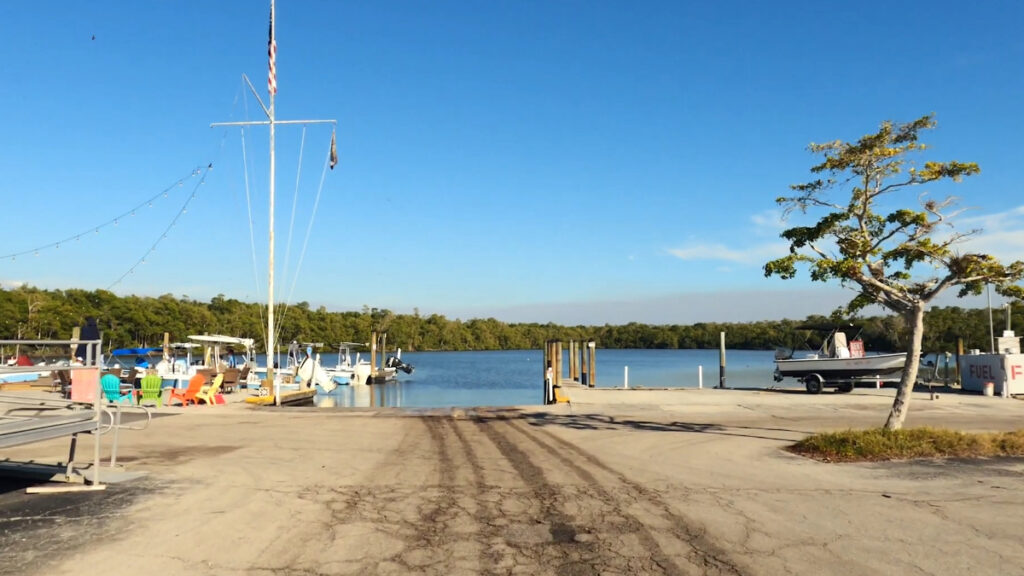
Road Trip Insights via YouTube
The biggest mistake outsiders make may be assuming Florida ends a few miles from the beach.
It doesn’t.
Interior Florida still contains cattle ranches, farms, forests, freshwater lakes and small communities that have little in common with South Beach.
Florida had about 9.7 million acres of farmland in 2024 and roughly 1.56 million cattle and calves in early 2025, according to the state’s agriculture industry statistics.
That Florida explains why a drive through Hardee, Highlands, Okeechobee or parts of Polk County can feel so disconnected from the Florida sold in vacation commercials.
Palm trees may still appear, but so do feed stores, cattle trailers and miles of pasture.
Jacksonville Feels Like the South Atlantic
Northeast Florida changes the equation again.
Jacksonville sits only about 25 miles south of Georgia, straddling the St. Johns River and spreading across an enormous consolidated city-county.
Its sheer geography matters. Jacksonville is the largest city by land area in the continental United States, according to the city’s official Jacksonville profile.
The beaches, port, river, military presence and proximity to Georgia give Northeast Florida a South Atlantic character that feels different from tropical Miami or resort-heavy Orlando.
St. Augustine adds another layer entirely, carrying Spanish colonial history into the region.
And the Panhandle Looks North
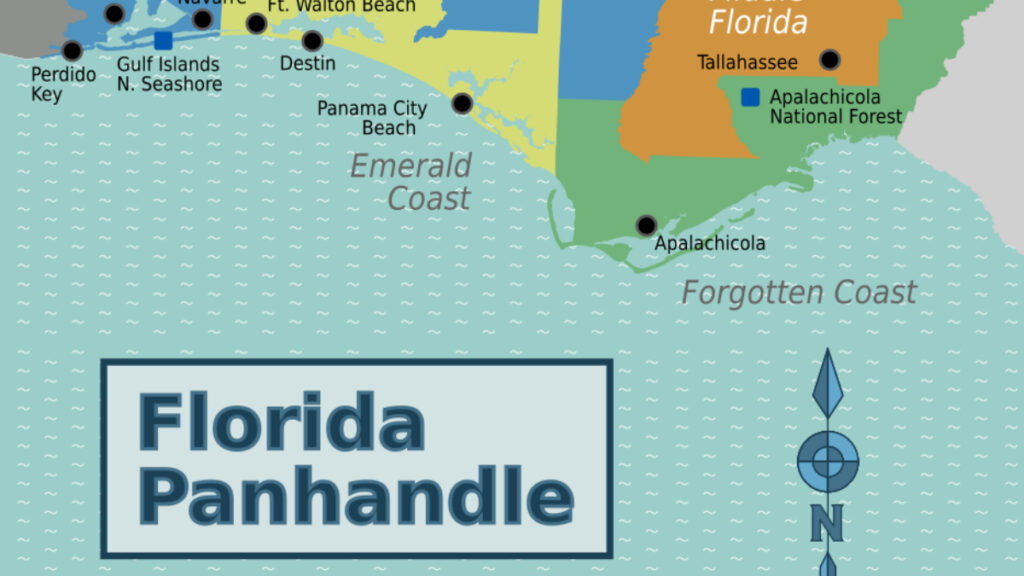
By the time Florida reaches Pensacola and the western Panhandle, the cultural compass has shifted again.
Historically, North Florida was closely connected to Georgia, Alabama and the broader Deep South. When Florida became a U.S. territory, settlers arrived in significant numbers from Virginia, the Carolinas and Georgia, according to the state’s territorial history records.
That legacy still matters.
The Panhandle’s pine forests, military communities, architecture, food traditions and seasonal climate can make it feel worlds away from Miami — despite both places appearing beneath the same outline on a weather map.
And I think that’s ultimately the point.
Florida is hard to summarize because its contradictions aren’t side notes. They’re the state itself.
It is Caribbean-facing and Deep South-adjacent. Tropical islands and pine forest. Theme parks and cattle ranches. International metropolis and fishing village.
Ask seven Floridians to describe “the real Florida,” and they may picture seven completely different places.
They could all be right.
