



Finding somewhere to park can sometimes be the hardest part of a Florida beach day. Parking rules vary considerably depending on where you are headed, with some beaches offering free public lots while others charge hourly or daily fees that can quickly add to the cost of a day by the water.
There isn’t one statewide Florida beach parking system, either. Cities and counties generally set their own rates, hours, payment methods and resident discounts, meaning the rules in Miami Beach can look very different from those in Daytona Beach or Siesta Key.
This guide covers parking at 10 popular Florida beach destinations, including current rates, free parking options, payment methods and restrictions visitors should know before leaving home.
Last updated: September 15, 2026. Parking rates and restrictions can change, particularly during holidays, special events and peak seasons. Always check posted signs and the linked official parking information before paying or leaving your vehicle.
Florida Beach Parking: Quick Guide
- Miami Beach
- Fort Lauderdale Beach
- Clearwater Beach
- St. Pete Beach
- Siesta Beach
- Naples Beaches
- Cocoa Beach
- Daytona Beach
- Jacksonville Beach
- New Smyrna Beach
Miami Beach Parking: How Much Does It Cost?
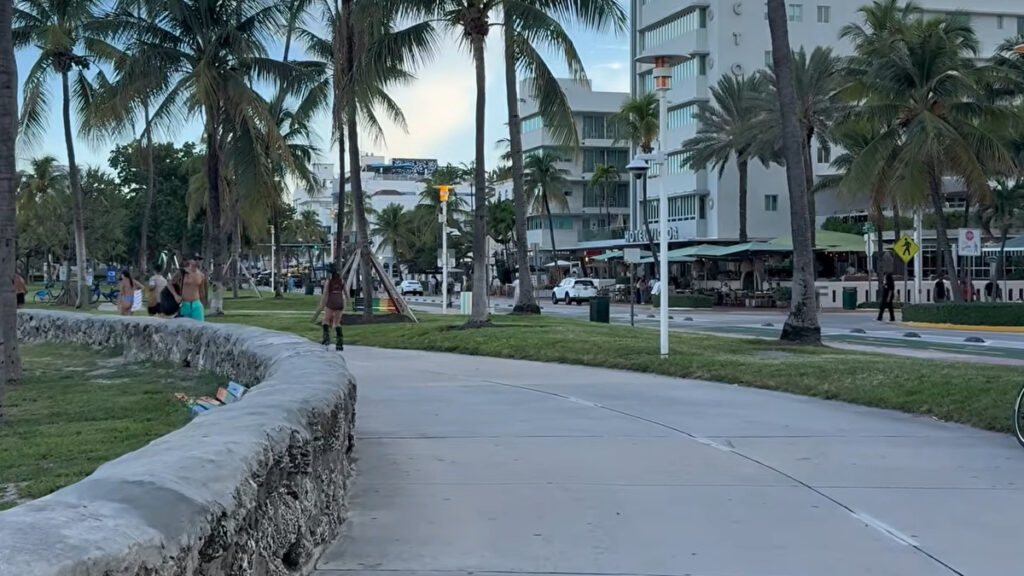
Parking prices in Miami Beach depend heavily on which part of the city you visit. In South Beach, regular city rates are $4 per hour for on-street parking and $2 per hour in off-street municipal spaces. East Middle Beach costs $3 per hour on-street and $2 per hour off-street, while many North Beach spaces cost $1 per hour.
There is an important temporary exception for visitors in 2026. From August 1 through October 31, Miami Beach is offering $1-per-hour parking at municipal garages, lots and street spaces when visitors pay through the ParkMobile app. The promotional rate is limited to three hours per session and 45 discounted hours across the promotional period.
Municipal garages are another option. Standard rates at several South Beach garages begin at $2 for the first hour and rise according to the length of the stay, with a typical maximum daily rate of $20. The 5th & Alton Garage also offers the first two hours free under its normal rate structure, although special-event and overnight rates can apply.
Registered Miami Beach residents receive additional discounts, including $1-per-hour parking at eligible on-street and off-street meters.
Payment: ParkMobile, PayByPhone and payment facilities at applicable garages or meters.
Accessibility: Accessible spaces are available throughout the municipal parking system. Visitors should check individual facilities and posted restrictions.
Last verified: September 15, 2026.
Official information: City of Miami Beach Parking Services.
Fort Lauderdale Beach Parking: Rates and Resident Discounts
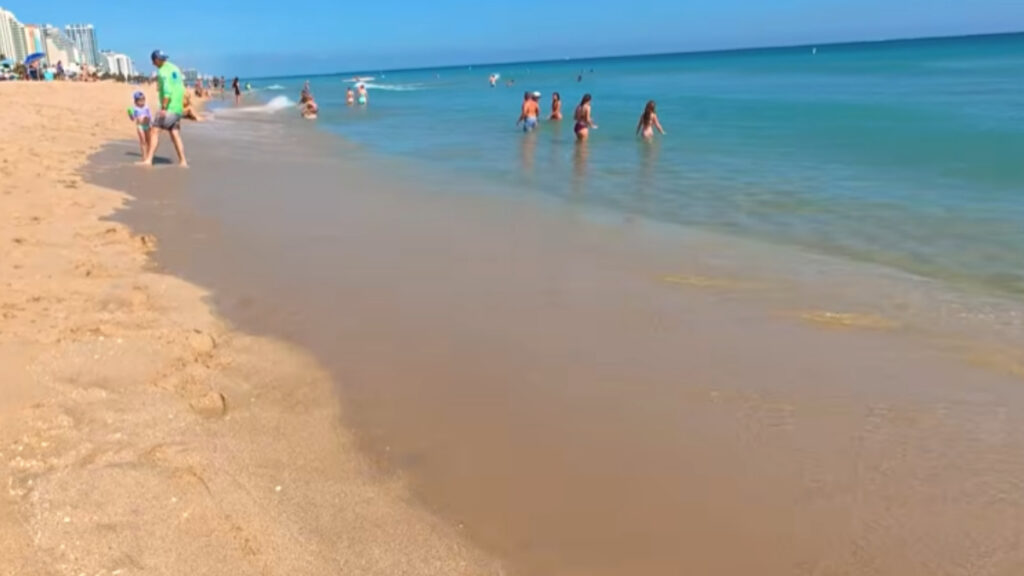
Visitors to Fort Lauderdale Beach Park at 700 Seabreeze Boulevard currently pay $4 per hour, with parking available from 5 a.m. until 2 a.m. North Beach metered parking also costs $4 per hour, although permitted hours vary depending on the section of A1A.
The Las Olas Garage at 200 Las Olas Circle is open 24 hours and also charges $4 per hour, with a 10-hour maximum.
Fort Lauderdale residents have another option. The city’s Residential Beach Parking Permit costs $75 plus tax per year and can be used at Fort Lauderdale Beach Park, North Beach on-street meters and Las Olas Garage, although it is not valid during special events.
Drivers displaying a valid disabled parking permit or plate can park free for up to four hours at on-street metered spaces, subject to any shorter posted time limit. Different rules apply to garages and surface lots, so visitors should check the city’s accessibility requirements before parking.
Payment: City parking facilities support the payment methods displayed at the individual location.
Last verified: September 15, 2026.
Official information: City of Fort Lauderdale Parking Services.
Clearwater Beach Parking: What Does It Cost?
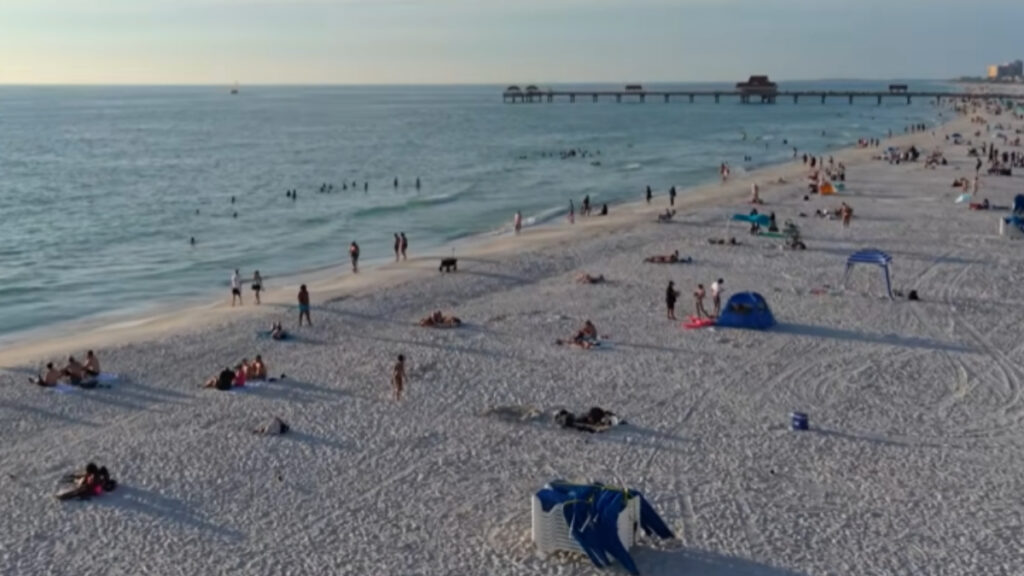
Clearwater Beach has a mixture of municipal lots, garages and metered street parking. Pier 60’s public parking lot at 160 S. Gulfview Boulevard currently charges $3.50 per hour and operates from 6 a.m. to 11 p.m. The lot contains 141 spaces, including six accessible spaces.
On-street parking generally costs $4 per hour with a five-hour limit, although enforcement hours vary by location. Visitors should therefore check the meter or nearby signage rather than assuming the same hours apply across Clearwater Beach.
Payment is available through pay-by-plate kiosks, ParkMobile or the city’s pay-by-text system. Parking north of the Acacia Roundabout is not permitted, and Clearwater also prohibits RVs, trailers and commercial vehicles from parking on city streets at the beach.
Payment: Pay-by-plate kiosk, ParkMobile or pay-by-text.
Accessibility: Accessible parking is available at several municipal beach facilities, including designated spaces at Pier 60.
Last verified: September 15, 2026.
Official information: City of Clearwater Beach Parking.
St. Pete Beach Parking: Rates, Locations and Payment
Experience Luxury Travel via YouTube
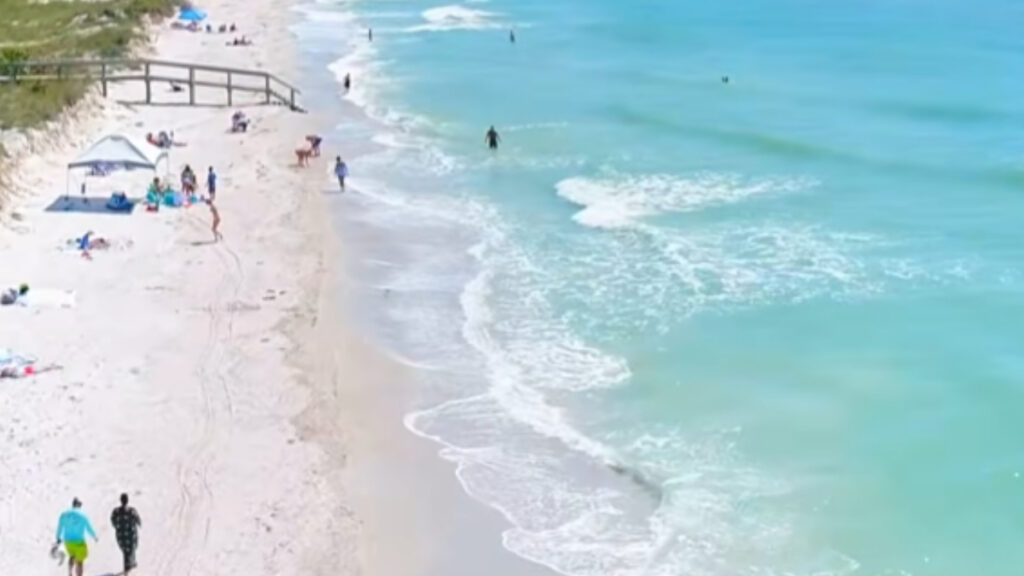
Public beach parking in St. Pete Beach currently costs $5 per hour Monday through Thursday and $6 per hour Friday through Sunday. A further $1-per-hour seasonal surcharge applies from February 1 through April 30.
Major public parking areas include Upham Beach at 6850 Beach Plaza, the County Beach Access Park at 4700 Gulf Boulevard and hundreds of spaces along Gulf Way and Pass-a-Grille Way at Pass-a-Grille Beach.
Drivers can pay by credit card at a pay station, through ParkMobile or using ParkMobile’s pay-by-text service. Cash and coins are no longer accepted at city pay stations.
Be careful when looking for a space away from the main lots. St. Pete Beach warns visitors that spaces marked with certain permit designations are not public parking, even if they appear available.
Payment: Credit card, ParkMobile or pay-by-text.
Last verified: September 15, 2026.
Official information: City of St. Pete Beach Parking.
Is Parking Free at Siesta Beach?
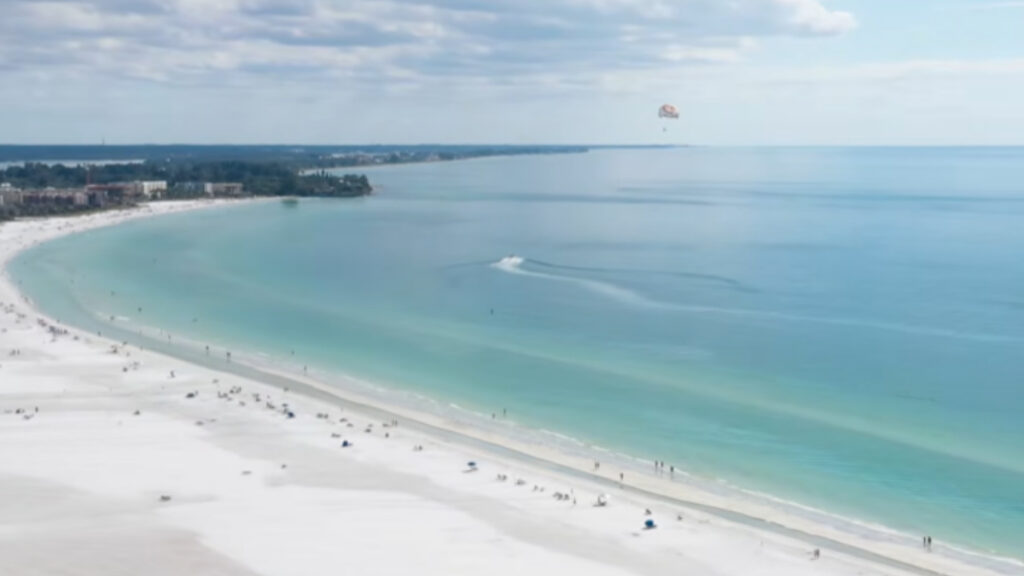
Yes. Siesta Beach is one of the most notable free beach parking options among Florida’s major destinations.
The main Siesta Beach lot at 948 Beach Road in Sarasota contains more than 950 free parking spaces. Parking is available from 6 a.m. to 10 p.m. year-round, and overnight parking is not allowed.
The lot also includes dedicated ADA-accessible parking and accommodates recreational vehicles and motorcycles. Siesta Beach has additional accessibility features, including beach wheelchairs and an access mat extending toward the Gulf.
Parking can fill during busy periods despite the size of the lot, so arriving earlier in the day is still advisable during weekends, holidays and peak tourist periods.
Cost: Free.
Hours: 6 a.m. to 10 p.m.
Accessibility: Dedicated ADA parking, beach wheelchairs and beach access mat.
Last verified: September 15, 2026.
Official information: Sarasota County Parks.
Naples Beach Parking: Meters and Free Resident Permits
Real Coast to Coast via YouTube
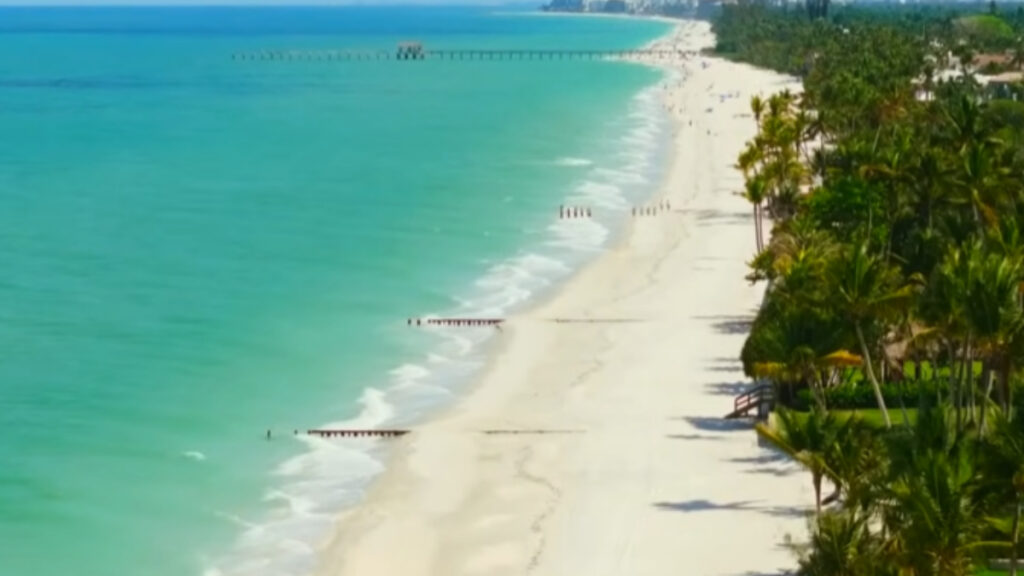
Visitors parking near City of Naples beaches should expect to pay $5 per hour at beach parking meters and pay stations. A minimum payment of $2.50 applies.
Pay stations accept quarters and major credit cards, including Visa, Mastercard, American Express and Discover. Parking at metered beach spaces is prohibited between 11 p.m. and 5 a.m.
Free beach parking is available to eligible Collier County property taxpayers and full-time residents through an annual beach parking permit. City of Naples residents can obtain their permit from City Hall with the required proof of residency and vehicle documentation.
Visitors with a valid disability permit may park without payment, provided the permit holder is driving or being transported in the vehicle. Posted time limits and other parking restrictions still apply.
Payment: Quarters or major credit cards at applicable meters and pay stations.
Last verified: September 15, 2026.
Official information: City of Naples Beach Parking.
Cocoa Beach Parking: Hourly and Daily Rates
Travel The Top via YouTube
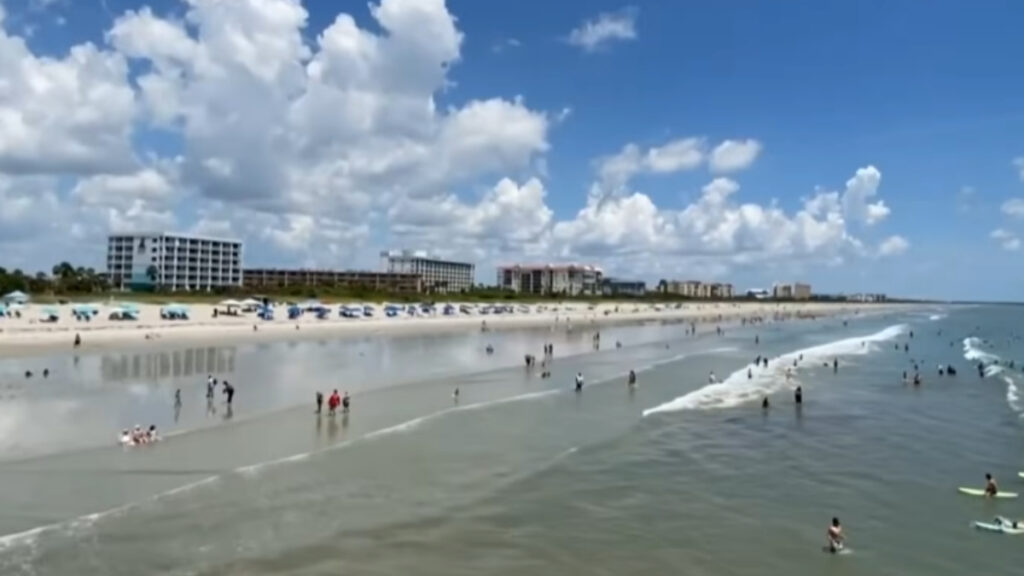
Cocoa Beach has more than 1,600 parking spaces spread across city parks, beach-access street ends and its downtown parking garage.
City-managed parking currently costs $6 per hour, with a one-hour minimum, or $25 for a full day. An additional $0.35 convenience fee applies when using the parking app. Enforcement runs from 7 a.m. to 7 p.m. every day, including weekends and holidays.
All city parking is paid through the Passport Parking app. Visitors must enter the correct zone and space number and are advised to pay immediately after parking.
Popular beach parking locations include Alan Shepard Park at 216 E. Cocoa Beach Causeway and Sidney Fischer Park at 2200 N. Atlantic Avenue. Numerous street-end parking areas also provide beach access.
Overnight parking is not permitted in city-managed areas. Vehicles displaying a valid handicap placard or license plate may park free in designated accessible spaces.
Payment: Passport Parking app.
Last verified: September 15, 2026.
Official information: City of Cocoa Beach Parking.
Daytona Beach Parking: On-Beach and Off-Beach Fees
Daytona Beach is unusual because visitors can choose between parking in county-owned lots and, where conditions allow, driving and parking directly on designated sections of the beach.
For visitors and unregistered residents, on-beach driving currently costs $30 per day. County-owned off-beach parking lots cost $20 per day. Nonresidents can alternatively purchase annual passes costing $150 for on-beach driving or $100 for off-beach parking.
Volusia County residents can obtain a free annual combination pass after registering their vehicle.
Off-beach choices include Sun Splash Park at 611 S. Atlantic Avenue, which has 162 spaces and direct beachfront access, and Sun & Surf Park at 726 N. Atlantic Avenue, which has 70 spaces. Parking at these county parks is prohibited between 11 p.m. and 5 a.m.
Accessible parking and beach access are available at several county facilities. Sun & Surf Park, for example, has five ADA spaces and an ADA beach access ramp.
Payment: Daily fees can be paid on arrival at county lots or beach ramp booths. Annual passes must be purchased separately through ParkVolusia.
Last verified: September 15, 2026.
Official information: Volusia County Beach Driving and Parking.
Jacksonville Beach Parking: When Do You Have to Pay?
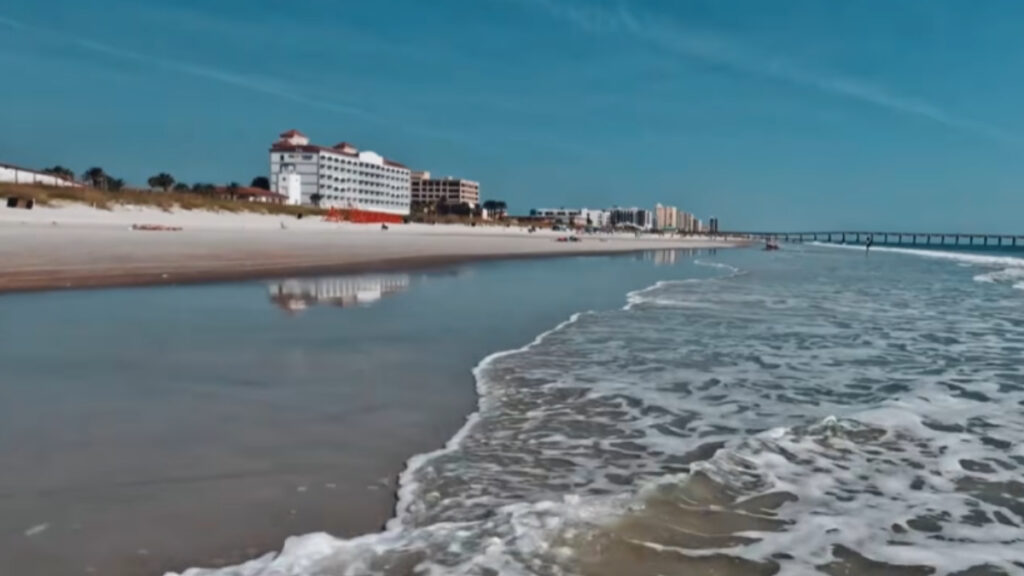
Jacksonville Beach operates a seasonal paid parking program. In 2026, paid parking runs from March 6 through November 1 and generally applies Friday through Sunday, along with certain holidays and special events.
Regular parking costs $4 for the first two hours and $2 for each additional hour, up to a maximum of $12. Special events and major holiday weekends can carry a $15 flat rate.
Paid locations include the Pier lot at 503 1st Street North, Latham Plaza at 14 1st Street North and several additional lots and on-street spaces.
Jacksonville Beach residents can park free after registering their license plates with the city’s parking vendor. Visitors should note that this is a resident benefit rather than universally free beach parking.
Kiosks accept major credit and debit cards but not cash. Drivers can also pay using the QR codes displayed at parking locations.
Each main paid lot includes designated accessible spaces. Certain vehicles, including those displaying qualifying Disabled Veteran plates or permanently affixed handicap designations, are exempt from parking charges under the city’s stated rules.
Payment: Credit/debit card at kiosks or mobile payment using posted QR codes.
Last verified: September 15, 2026.
Official information: City of Jacksonville Beach Paid Parking.
New Smyrna Beach Parking: Beach Driving and County Lots
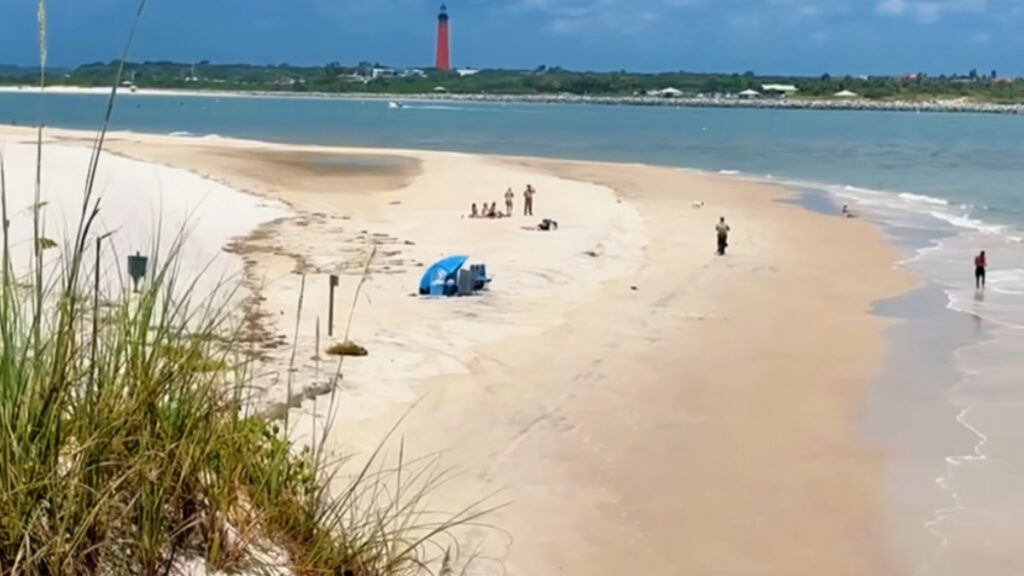
New Smyrna Beach falls under the same Volusia County beach parking program as Daytona Beach.
Visitors and unregistered residents currently pay $30 per day to drive and park on designated sections of the beach or $20 per day to use county-owned off-beach lots. Volusia County residents who register their vehicles qualify for a free annual combination pass.
County beach parks around New Smyrna include Hiles Boulevard Beach Park and other coastal access points. Individual facilities may have their own operating hours and accessibility features, so visitors should check the specific park before travelling.
The county’s $20 off-beach daily pass does not include admission to Smyrna Dunes Park, which has a separate fee structure.
Payment: Daily fees at participating county parking facilities or beach ramps; annual passes through ParkVolusia.
Last verified: September 15, 2026.
Official information: Volusia County Beach Driving and Parking.
Where Can You Find Free Beach Parking in Florida?
Free beach parking still exists in Florida, but the rules vary considerably.
Siesta Beach is one of the clearest options in this guide, offering more than 950 free spaces from 6 a.m. to 10 p.m. Other destinations offer free parking only to qualifying residents or under specific conditions. Volusia County residents, for example, can register for free beach parking, while Jacksonville Beach residents can register their vehicles for free parking under the city’s seasonal program.
Miami Beach’s 5th & Alton Garage normally provides another limited option, with the first two hours free, but visitors should always check current rates and special-event restrictions before relying on it.
The important distinction is that “free parking” does not necessarily mean unrestricted parking. Time limits, residency requirements, registration rules and seasonal programs can all apply.
What Should You Check Before Parking at a Florida Beach?
Parking rules can change by season, day of the week and even individual block. Before leaving your vehicle, check the posted signs for enforcement hours, maximum stays, resident-only restrictions and special-event pricing.
It is also worth checking beach rules before making the trip. Parking somewhere successfully does not necessarily mean everything is permitted once you reach the sand. See our guides to dogs on Florida beaches, alcohol rules at Florida beaches and Florida beach water quality for more information.
This guide will be updated as parking rates and regulations change and expanded to include additional Florida beach destinations.
