



Florida State University parents say an FSU off-campus apartment mold problem has left their students displaced, their belongings in limbo and their families paying for housing they say the students still cannot use.
The dispute centers on The Odyssey at FSU CollegeTown in Tallahassee, where parents Rhonda Wiggins Petrov and Amy Works told the FSView & Florida Flambeau that their children returned for the fall semester to find mold inside their apartment.
Petrov even has a name for the problem: “Tally mold.”
For the families, however, the bigger issue is not a catchy nickname. It is what happened next — hotel stays, an Airbnb, damaged belongings, temporary housing and full rent still being paid on the original apartment.
Petrov summed up the situation this way: “Our kids are still displaced.”
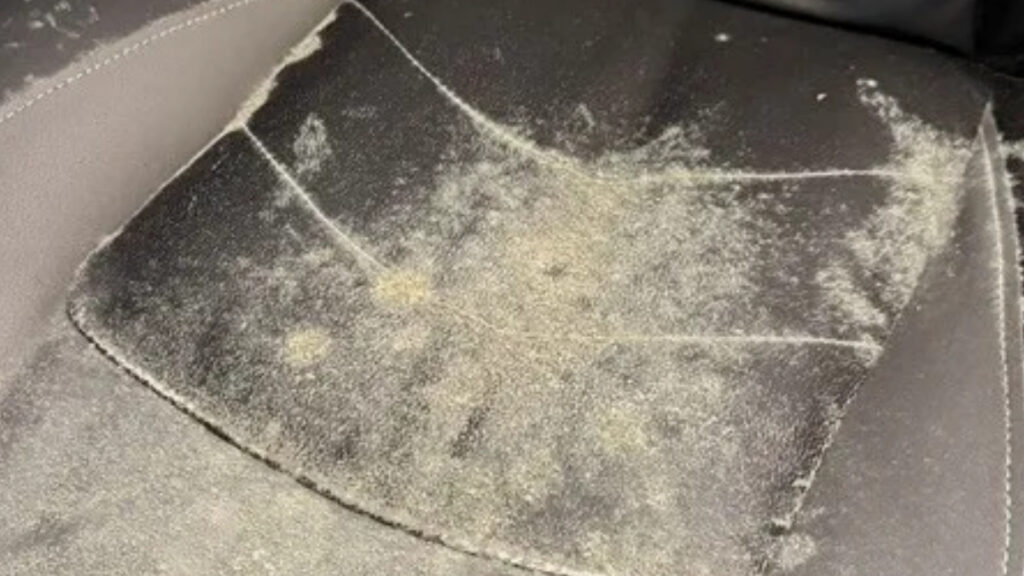
Students return to apartment, families scramble for somewhere to stay
According to the FSView report, the families said the apartment had been left clean before the students departed in the spring, with the air conditioning set to 68 degrees.
When they returned, they said the thermostat was off and appliance clocks were blinking.
Works told the FSView the students began coughing and itching soon after entering the apartment. Those symptoms are the family’s account; the reporting does not establish that mold caused them.
Rather than have the students remain in the unit, Petrov paid for a hotel that first night. The students then spent nine days moving between hotels and an Airbnb, according to the report.
On the 10th day, Petrov said her son entered temporary housing. But that arrangement brought problems of its own: she described a broken washer, a broken garbage disposal and bugs.
Meanwhile, as of Sept. 11, the family told the FSView it was still paying full rent at The Odyssey. The outlet reported advertised rents ranging from about $1,200 for a three-bedroom unit to $1,790 for a one-bedroom unit.
The families also said belongings inside the affected apartment may need to be cleaned, repaired or replaced, adding another layer of potential expense.
Two different conclusions about whether the apartment was ready
The case became more complicated when the apartment and the families received conflicting information about the unit.
According to the FSView, the families were told on Sept. 8 that The Odyssey had received a lab report clearing the apartment and that the students could return.
But Works and Petrov hired their own mold professionals. Works told the outlet that Southern Environmental Solutions advised the families not to enter the unit after its inspection.
Petrov said the two sides’ remediation assessments were not in agreement.
That disagreement left the parents unwilling to send the students back into the apartment, even as rent and other costs continued.
The FSView reported that CollegeTown’s development, including The Odyssey, has been under the ownership of Seminole Boosters Inc. for 13 years. The publication said it contacted Seminole Boosters for comment.
That distinction matters: the families’ characterization of conditions and the independent company’s reported findings should not be treated as a final government or court determination that the apartment was legally uninhabitable.
The complaints are turning into a broader Tallahassee housing push
Petrov is now trying to move the issue beyond one apartment.
On Sept. 9, she launched a petition calling for stronger protections for Tallahassee students and tenants dealing with mold and excessive moisture.
The petition asks Tallahassee, Leon County, local colleges and housing operators to consider measures including prompt inspections, independent assessments in recurring cases, written remediation plans, temporary housing and rent relief when a residence cannot be occupied.
As of the latest indexed version, the petition had collected more than 300 verified signatures.
The petition also stresses that it is not accusing every Tallahassee apartment complex of unsafe conditions. Instead, Petrov is asking officials and institutions for a clearer process when students report moisture or mold problems.
The original reporting identified complaints involving another student apartment complex as well. FSU student Jasmin Doering told the FSView that a water problem at U Club on Woodward eventually led to repairs, a move and belongings she said had mold on them. U Club ultimately refunded the remainder of her rent after she left, according to the report.
Online discussion shows that mold and maintenance complaints have also become part of the conversation students have when comparing Tallahassee apartments. In an r/FSU housing thread, one commenter described paying hundreds of dollars for an independent mold inspection and seeking legal help during a dispute at a different apartment property. That account is anecdotal and unrelated to The Odyssey case, but it shows why housing-condition complaints can quickly resonate with students and parents.
For Petrov and Works, the immediate question is simpler: when can their children return to housing the families are already paying for, and who ultimately bears the added costs created by their displacement?
For Tallahassee’s larger student community, the answer could determine whether “Tally mold” remains a parent nickname — or becomes part of a much broader fight over off-campus housing accountability.
