


Florida traditions have a way of making perfect sense when you live here and sounding slightly unbelievable when you try to explain them to somebody else.
Decorating a yacht for Christmas? Of course. Letting pirates ceremonially take over a major city? Naturally. Planning a summer weekend around snorkeling through seagrass for dinner? Also perfectly reasonable.
Florida’s climate, long coastline, wildlife, and mix of old communities and newer arrivals have created local rituals that don’t always travel well beyond the state line.
Some belong to one city. Others stretch across entire regions. Together, they show how Floridians have built community life around the water, the weather, and the fact that winter doesn’t necessarily mean staying indoors.
Florida Traditions That Feel Uniquely Floridian
Putting Christmas Lights on Boats Instead of Houses
Where: Fort Lauderdale and coastal communities around Florida
When: December
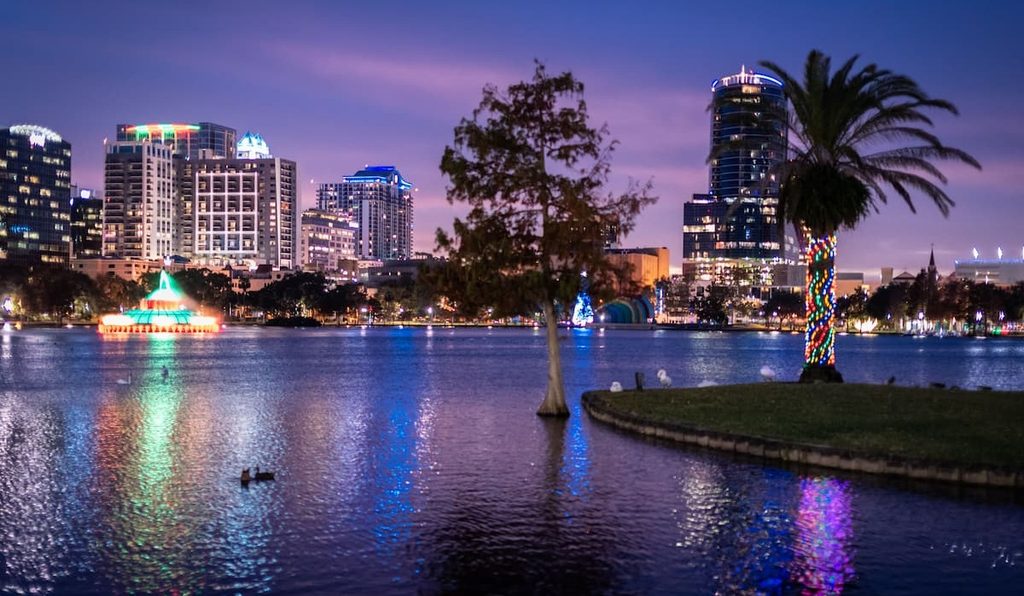
In much of the country, a Christmas parade requires streets, floats and marching bands. In waterfront Florida, a perfectly acceptable parade route is a river or the Intracoastal Waterway.
Fort Lauderdale’s annual Seminole Hard Rock Winterfest Boat Parade sends decorated private boats, showboats and yachts along a 12-mile route from the New River toward Pompano Beach.
The idea works because boating isn’t simply a summer activity in South Florida. December weather still makes it possible for thousands of people to gather along the water while boats become floating Christmas displays.
Elsewhere, people drive around looking at holiday lights. Here, some of the holiday lights drive — or sail — past you.
Letting Pirates Invade Tampa Every January
Where: Tampa
When: January
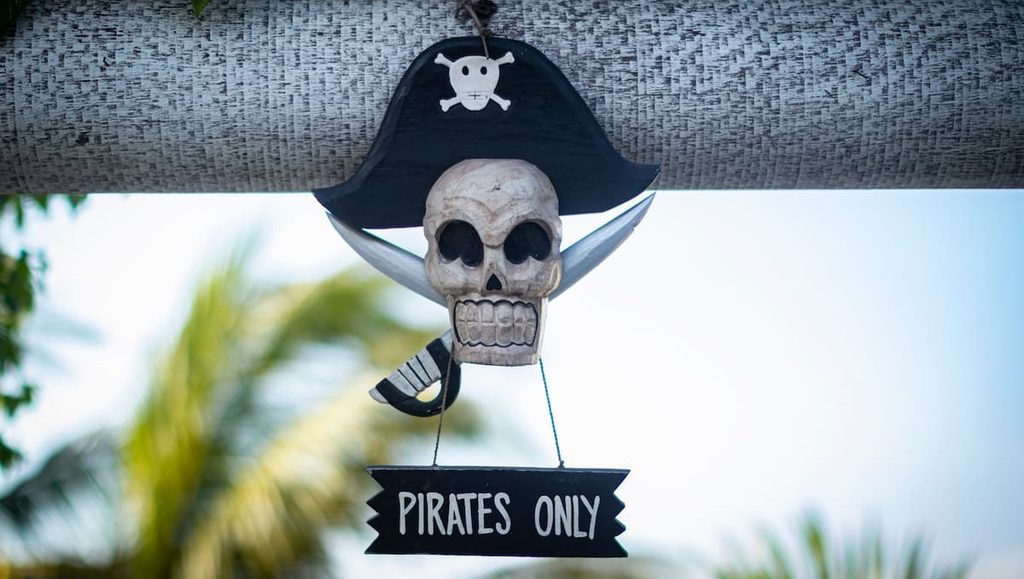
Tampa doesn’t merely hold a pirate-themed parade. The city’s signature Gasparilla celebration begins with a mock maritime invasion.
During the Gasparilla Pirate Fest, the Jose Gasparilla II sails into Tampa with hundreds of costumed pirates and an accompanying flotilla. The invaders make their way ashore, claim the key to the city and continue the celebration with the Parade of Pirates.
The official festival says the parade has been presented annually since 1904.
That’s what makes Gasparilla more than an excuse to wear an eye patch. Generations of Tampa residents have grown up with pirate flags, beads, krewes and the completely normal local assumption that January is when pirates arrive.
Blessing the Boats before Another Year on the Water
Where: Destin
When: Around Ascension Day in spring
In a community historically tied to fishing, wishing the fleet a safe season can become a civic ritual.
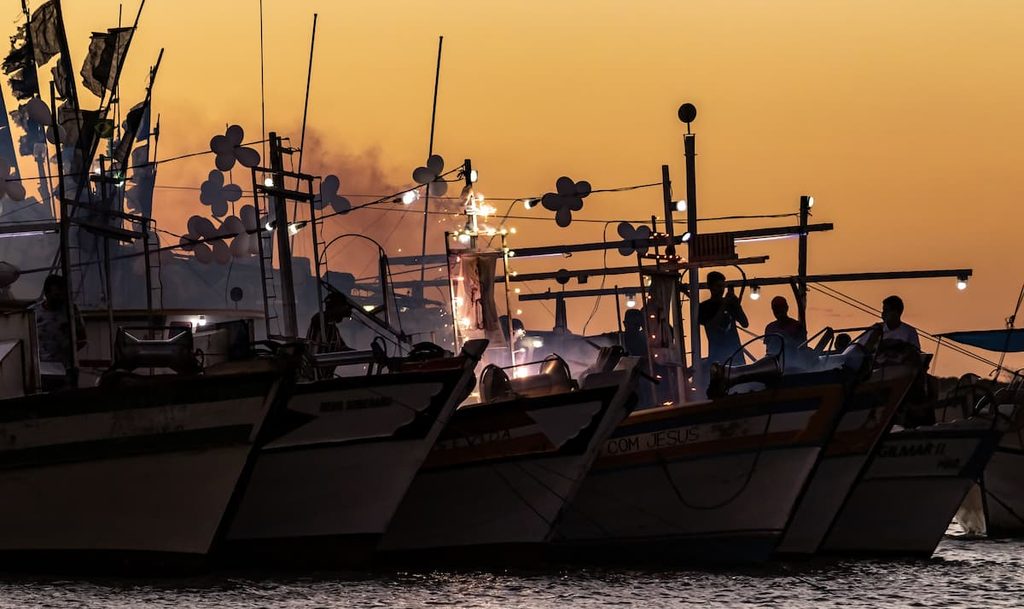
Destin’s Blessing of the Fleet dates to 1958 and takes place around Ascension Day. Clergy blesses vessels and the captains and crews whose livelihoods depend on the sea.
The event started with Destin’s fishing community and now includes different types of commercial vessels. In May 2026, organizers said 140 vessels received a blessing.
Blessings of fishing fleets exist well beyond Florida, but the tradition feels especially at home in a state where so many towns grew around harbors, seafood, and charter boats.
In Destin, the waterfront isn’t just scenery. It’s part of the community’s identity.
Treating Scallop Season like a Summer Holiday

Where: Florida’s Big Bend and Nature Coast, including areas around Steinhatchee, Crystal River and Homosassa
When: Summer, with dates varying by harvest zone
Ask someone unfamiliar with Florida to picture scalloping and they may imagine commercial fishing boats.
On Florida’s Gulf Coast, it can look more like an underwater Easter egg hunt.
During authorized recreational seasons, families and groups head into shallow Gulf waters wearing masks and snorkels, search seagrass beds for bay scallops and collect them by hand or dip net.
The Florida Fish and Wildlife Conservation Commission’s bay scallop rules divide the coast into harvest zones with separate seasons and limits, so the ritual is regional rather than statewide.
It’s also tied closely to environmental conditions. In 2026, for example, FWC closed the Gulf County zone after surveys found very low scallop abundance, while other zones operated under their respective seasons.
That combination — snorkeling, boating, seafood and planning the trip around state wildlife regulations — is about as Florida as a summer tradition gets.
Planning two July Days Around Spiny Lobster

Where: South Florida and the Florida Keys
When: A two-day recreational sport season before the regular season
Florida’s spiny lobster “mini-season” is only two days long, which is precisely why so many recreational divers and boaters treat it as an event.
For 2026, the Florida Fish and Wildlife Conservation Commission scheduled the sport season for July 29 and 30, ahead of the regular season beginning Aug. 6.
Participants head into the water looking for legal-size lobster while following license, permit, size, bag-limit, and area restrictions.
The Keys are particularly associated with the tradition, although special regulations apply there and in protected waters.
For outsiders, taking vacation time because lobster season is exactly 48 hours long may sound extreme.
For plenty of South Florida families and diving groups, that’s the point. The short window turns an ordinary recreational harvest into a date circled on the calendar.
Measuring Spring by Baseball Instead of the Weather

Where: Cities including Lakeland, Dunedin, Tampa, Bradenton, Sarasota, Fort Myers, Port St. Lucie and West Palm Beach
When: February and March
Northern states wait for the first warm weekend to announce that spring has arrived. Parts of Florida wait for major-league uniforms to show up at the local ballpark.
Florida’s Grapefruit League makes spring training a seasonal community ritual, with Major League Baseball teams spreading across stadiums on both coasts.
The Florida Grapefruit League says the 2026 season marked the 81st consecutive year of MLB spring training in Florida following the World War II interruption.
Some team-city relationships are especially deep. The Detroit Tigers returned to Lakeland for their 90th season in 2026, while the Toronto Blue Jays marked their 50th in Dunedin.
That means spring training isn’t just something tourists fly in to see. In several Florida communities, generations of locals have watched the same big-league clubs return every year.
Going to see Manatees Because the Weather Got Cold
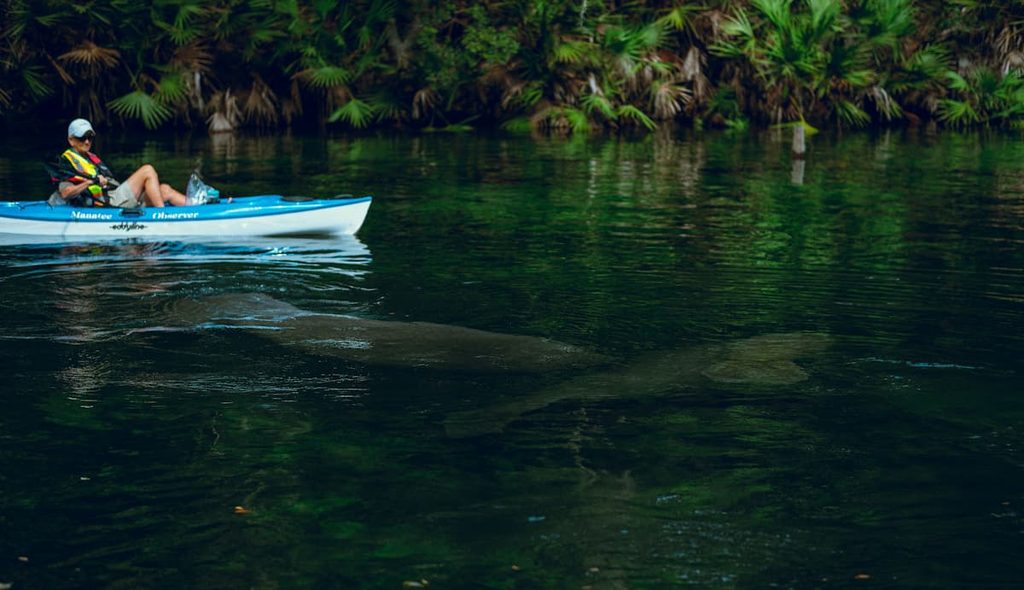
Where: Crystal River, Blue Spring, Apollo Beach, Fort Myers and other warm-water refuges
When: Generally mid-November through March
Cold weather in Florida creates an unusual sightseeing opportunity.
As water temperatures fall, manatees gather around warm-water refuges including natural springs and power-plant outflows. That turns winter manatee watching into a seasonal ritual in several communities.
VISIT FLORIDA’s guide to manatee viewing points visitors toward places including Three Sisters Springs in Crystal River, Blue Spring State Park near Orange City, Tampa Electric’s Manatee Viewing Center in Apollo Beach and Lee County Manatee Park in Fort Myers.
The attraction isn’t a staged wildlife show. The animals are gathering because Florida’s springs and other warm-water sites provide refuge when surrounding waterways become too cold.
So while residents farther north may associate a cold snap with sledding or frozen ponds, some Floridians respond by saying, essentially, “Good manatee weather.”
Turning the Lights Down Because the Turtles are Coming
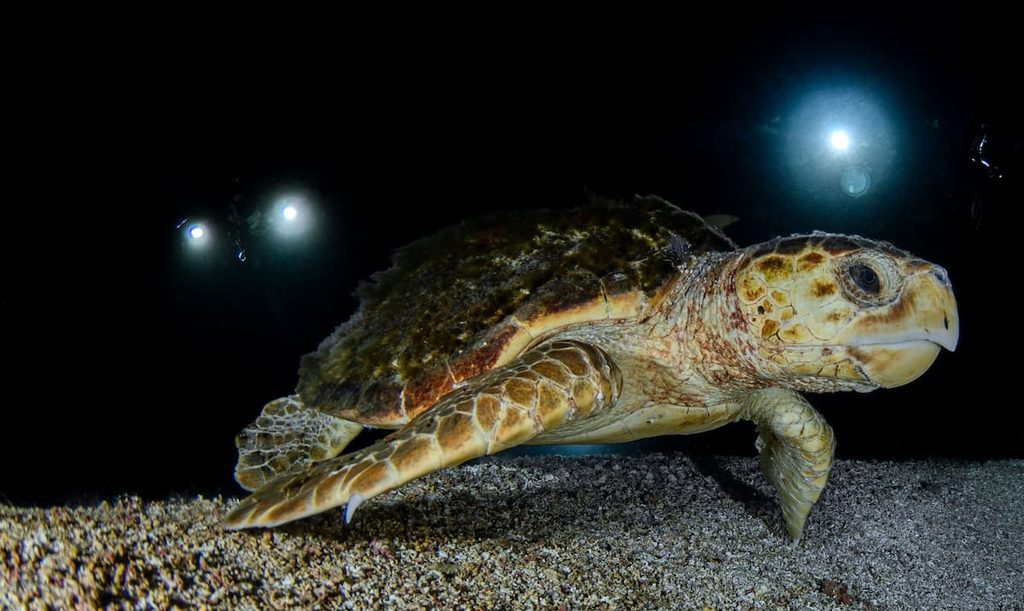
Where: Atlantic and Gulf beach communities
When: Mainly during sea turtle nesting season
One of Florida’s most meaningful coastal habits happens after dark.
During sea turtle nesting season, beachfront residents, hotels, businesses and visitors are encouraged — and in many communities required by local ordinances — to limit artificial lighting visible from nesting beaches.
Bright lights can disorient nesting turtles and hatchlings. The Florida Fish and Wildlife Conservation Commission recommends keeping wildlife-friendly lighting low, long-wavelength and shielded.
FWC also maintains information on the Florida counties and municipalities with sea turtle lighting ordinances.
The result is a seasonal change in the rhythm of many beach communities: curtains close, unnecessary beachfront lights go off, and amber or red wildlife-friendly lighting replaces brighter fixtures.
It is less of a festival than some traditions on this list, but perhaps more revealing. Living on a Florida beach also means sharing it with animals that were nesting there long before the condos arrived.
From illuminated boats in Fort Lauderdale to pirates in Tampa, scallopers on the Gulf Coast and darkened turtle beaches along both coasts, Florida traditions tend to reflect the environment around them.
Some involve elaborate costumes. Others involve a snorkel, a baseball ticket or simply turning off a porch light.
And somewhere else in Florida, there is almost certainly another local ritual that residents consider completely ordinary and everyone two counties away has never heard of.
What Florida tradition did we miss? Tell us the ritual, festival or seasonal habit that people in your part of the state would immediately recognize.
