



Can you drink alcohol on Florida beaches? Sometimes — but it depends entirely on where you’re going. Florida does not have one simple rule covering alcohol on every beach, with cities, counties and state parks setting their own restrictions. Some destinations allow adults to bring alcoholic drinks onto the sand, while others ban them completely or impose restrictions on containers, locations or certain times of year.
That means it’s worth checking the rules for your specific beach before packing the cooler. Below, we’ve broken down the current alcohol rules at some of Florida’s most popular beach destinations using official city, county and state sources.
Florida Beach Alcohol Rules at a Glance
| Destination | Can You Bring Alcohol? | Key Restrictions |
|---|---|---|
| Miami Beach | No | Alcohol and glass containers are prohibited on city beaches. |
| Fort Lauderdale Beach | No | Alcohol and glass are prohibited; limited permitted/licensed exceptions may apply. |
| Clearwater Beach | No | Alcohol and other intoxicants are prohibited. |
| Siesta Beach | Yes | Allowed for visitors of legal drinking age, but glass containers are prohibited. |
| Daytona Beach | No | Alcohol and glass containers are prohibited under Volusia County beach rules. |
| New Smyrna Beach | No | Alcohol and glass containers are prohibited under Volusia County beach rules. |
| Jacksonville Beach | No | Alcohol and glass bottles are prohibited; approved special events may have different rules. |
| Pensacola Beach | Restricted | The west side of Pensacola Gulf Pier is an alcohol-free zone; glass is prohibited on all beaches. |
| Henderson Beach State Park (Destin) | No | Alcohol and glass are prohibited on the beach. |
| Panama City Beach | Seasonal | Alcohol is prohibited on the sandy Gulf beach during March. Approved special events can have separate alcohol provisions. |
| Fort Myers Beach / Lee County beach parks | No | Open alcoholic beverage containers and alcohol consumption are prohibited on the beach; permitted special-event exceptions may apply. |
Miami Beach

Alcohol: Prohibited
Miami Beach is straightforward: alcohol is not allowed on city beaches. The city also prohibits glass containers, and its current beach guidance explicitly states that alcohol is always prohibited on its beaches. During high-traffic periods, such as March, the city may introduce additional restrictions and security checkpoints at certain beach entrances.
Fort Lauderdale Beach

Alcohol: Prohibited, with limited permitted exceptions
Fort Lauderdale prohibits alcoholic beverages on the beach, along with glass bottles and containers. City rules do, however, recognize limited circumstances where alcohol may be permitted or licensed by the city, so visitors attending an approved event should follow the specific event rules rather than assuming the general beach prohibition applies differently on their own.
Official Fort Lauderdale beach rules
Clearwater Beach
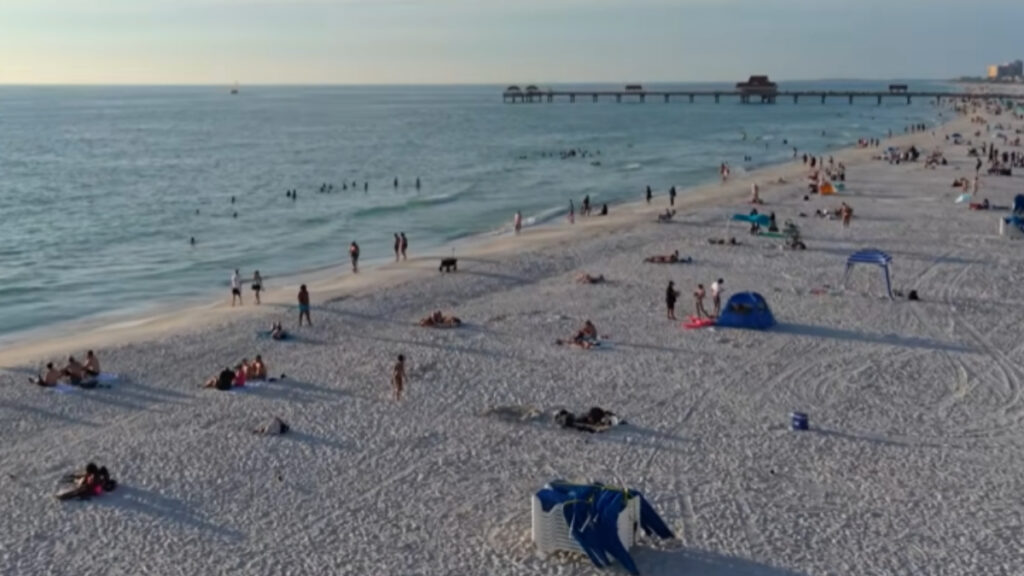
Alcohol: Prohibited
You can’t bring alcoholic drinks onto Clearwater’s public beaches. The city’s current beach rules state that alcohol and other intoxicants aren’t permitted and separately remind visitors to “swim sober.”
Official Clearwater Beach rules
Siesta Beach
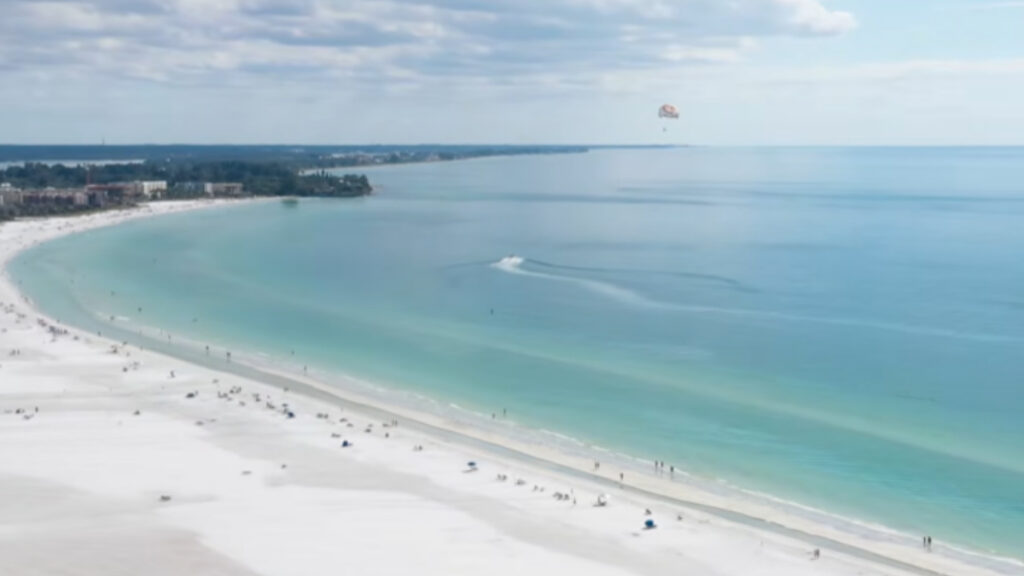
Alcohol: Allowed, but no glass
Siesta Beach is one of the notable exceptions on this list. Sarasota County says alcohol is allowed for visitors of legal drinking age, but glass containers are prohibited. So a canned drink may be permitted where a glass bottle isn’t.
Official Sarasota County Siesta Beach rules
Daytona Beach
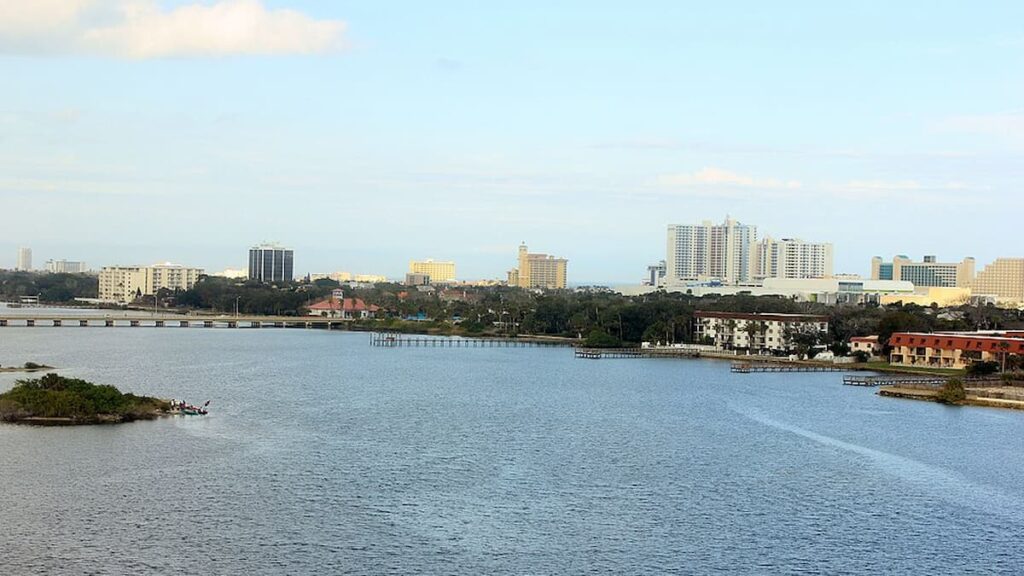
Alcohol: Prohibited
Daytona Beach falls under Volusia County’s beach rules, which prohibit both alcohol and glass containers on the beach. The same countywide beach rules apply to the managed beach areas around Daytona and New Smyrna Beach.
Official Volusia County beach rules
New Smyrna Beach
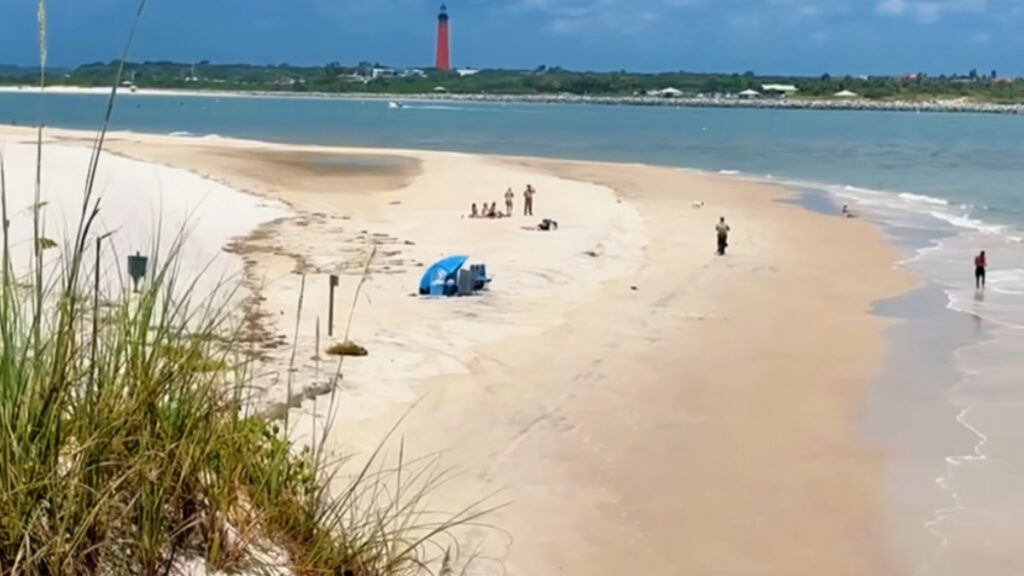
Alcohol: Prohibited
Like Daytona Beach, New Smyrna Beach is subject to Volusia County’s prohibition on alcohol and glass containers on the beach. Visitors should also pay attention to the rules of individual beachfront and inlet parks: for example, Smyrna Dunes Park separately prohibits alcohol within the park.
Official Volusia County beach rules
Jacksonville Beach
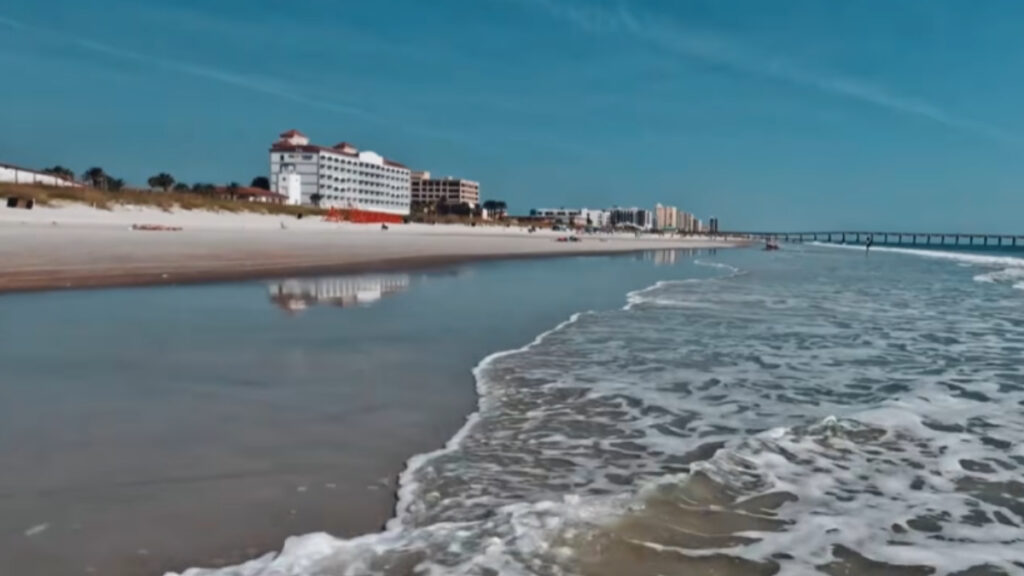
Alcohol: Prohibited
Jacksonville Beach doesn’t allow alcoholic beverages or glass bottles on the beach. That restriction also applies to ordinary beach weddings. However, the city has separate provisions allowing beer and wine within designated, controlled areas at certain approved festivals and special events.
Official Jacksonville Beach rules
Pensacola Beach

Alcohol: Restricted by location
Pensacola Beach needs more careful wording because its official rules don’t simply state that the entire beach is alcohol-free. Escambia County specifically designates the west side of the Pensacola Gulf Pier as an alcohol-free zone, while glass is prohibited on all beaches. Visitors should therefore check posted rules for the particular section of Pensacola Beach they’re using.
Official Escambia County Pensacola Beach laws
Henderson Beach State Park, Destin
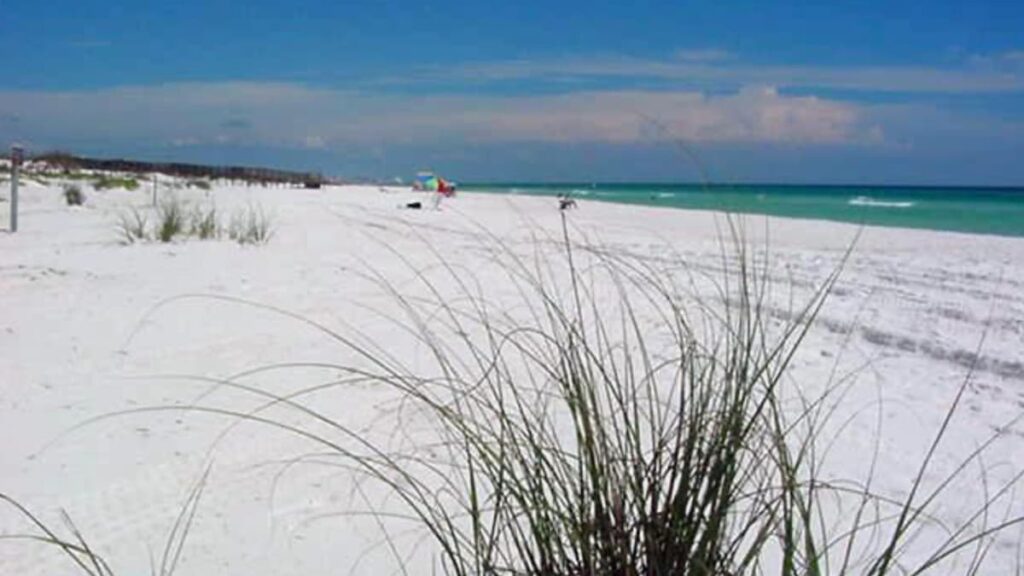
Alcohol: Prohibited on the beach
Visitors to Henderson Beach State Park cannot bring alcohol onto its beach. Florida State Parks specifically says no alcohol or glass is allowed there, and alcohol is also prohibited throughout the park’s public day-use areas.
Official Henderson Beach State Park rules
Florida State Park Beaches
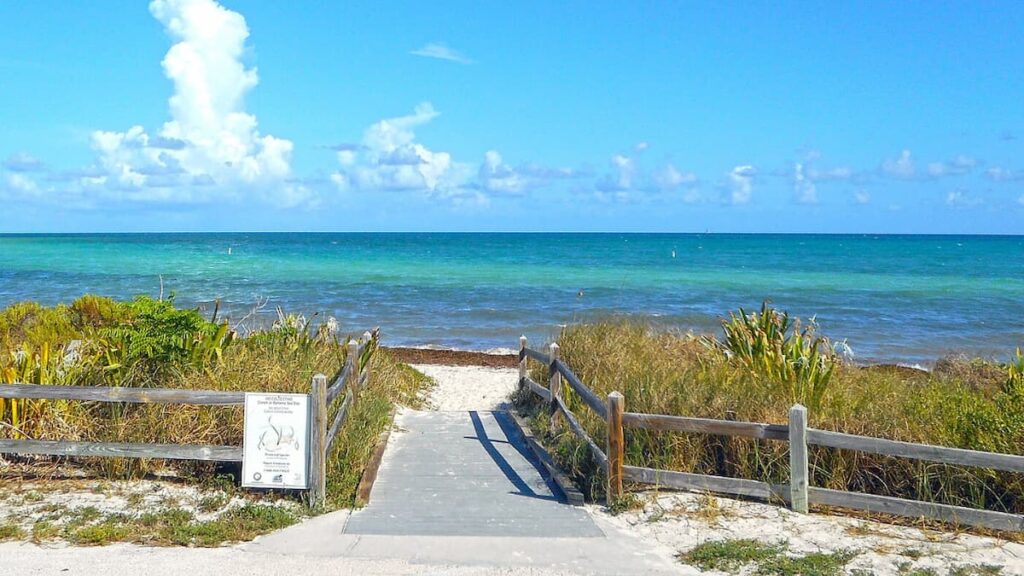
Alcohol: Generally prohibited in public beach areas
Florida State Parks have their own rules, separate from neighboring municipal beaches. Alcohol consumption is not permitted in public areas including beaches and first-come, first-served picnic areas. Limited exceptions exist for designated locations such as overnight accommodations, certain reserved facilities, licensed restaurants and approved special events.
Official Florida State Parks alcohol policy
Panama City Beach

Alcohol: Allowed at some times, but prohibited on the sandy beach during March
Panama City Beach has one of the more unusual alcohol policies in Florida. The city specifically prohibits the possession or consumption of alcohol on the sandy Gulf beach during the month of March, making this an important rule for spring-break visitors. The city’s permitting system also allows certain approved sandy-beach events to involve alcohol outside the general restrictions, so visitors attending an organized event should follow its specific rules.
Official Panama City Beach ordinances
Fort Myers Beach
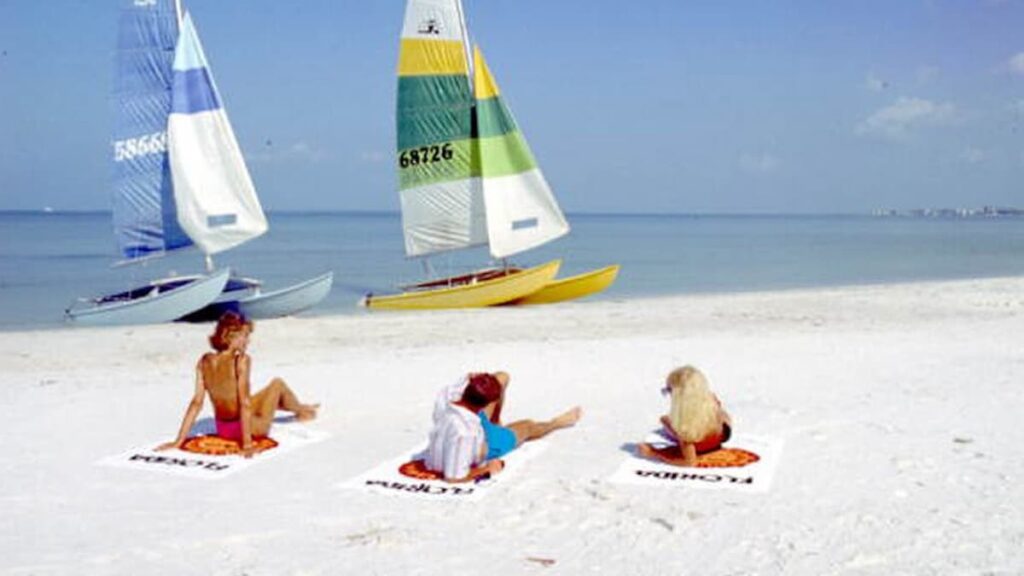
Alcohol: Prohibited
Fort Myers Beach prohibits drinking alcohol or possessing an open alcoholic beverage container on the beach. Glass containers are also prohibited. Limited exceptions can apply in specifically approved areas or during permitted special events, so visitors attending an organized event should follow the rules posted for that event.
Official Town of Fort Myers Beach visitor rules
What About Glass Bottles?
Even at beaches where alcohol is permitted, don’t assume glass is allowed. Siesta Beach, for example, permits alcohol for people of legal drinking age but specifically prohibits glass containers. Pensacola Beach similarly prohibits glass across its beaches regardless of the alcohol rules applying to a particular section.
Do Florida State Parks Have Different Alcohol Rules?
Yes. If the beach you’re visiting sits inside a Florida State Park, the state park rules matter rather than simply the rules of the nearest city. Alcohol isn’t permitted on public state park beaches, although the park system allows it in certain designated accommodations, licensed concessions and approved event areas.
Check Before You Pack the Cooler
Beach regulations can change, and temporary restrictions may also be introduced for holidays, spring break periods and special events. Always check the official city, county or park rules for your destination before visiting, particularly if you’re bringing your four-legged friend along. Our guide to which Florida beaches allow dogs can help you know what to expect before you set off. And if you’re driving to the coast, our guide to Florida beach parking can help you plan where to leave the car before you hit the sand.
This guide was last verified on September 24, 2026. It is intended as a practical summary of published beach rules, not legal advice.
