



Florida has plenty of coastline, but relatively few beaches where dogs can legally join you on the sand. Rules vary sharply by destination: some places have designated dog beaches, some allow leashed dogs on ordinary stretches of sand, and a smaller number permit dogs off-leash in clearly marked zones.
This guide includes only dog-friendly beaches in Florida where access rules can be confirmed through a city, county, state park, or official beach authority. Each listing explains where dogs are allowed, whether a leash is required, operating hours, fees or permits, and the major restrictions owners need to know.
One important statewide rule: the Florida Park Service generally prohibits pets on state park beaches. Honeymoon Island State Park has a designated pet beach that is an exception.
Before heading out, also check our Florida beach parking guide and Florida beach safety guide for parking rules, rip-current information, flags, and wildlife precautions.
Florida Panhandle
Pensacola Beach Dog Parks — Pensacola Beach
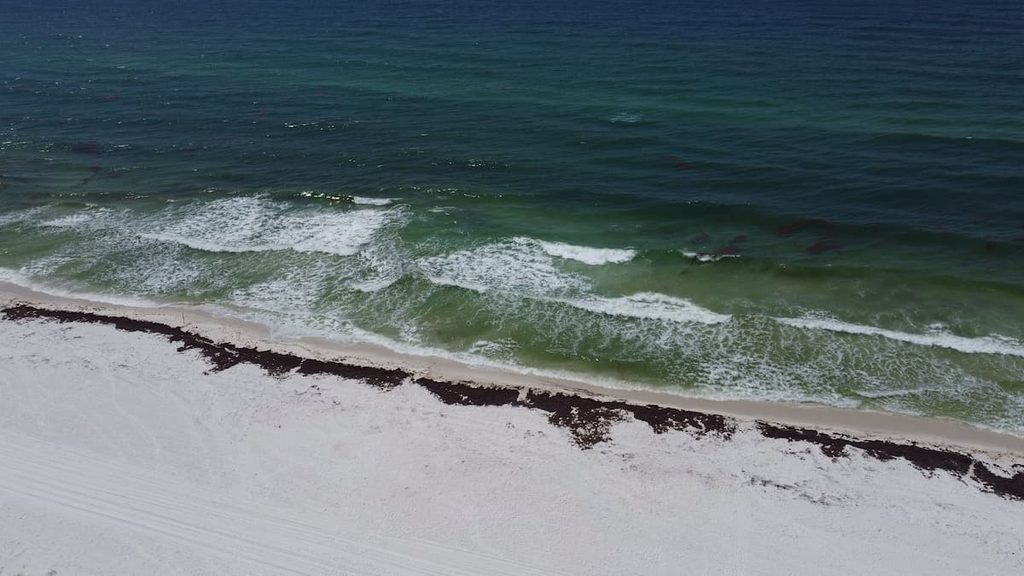
Type: Designated dog beaches
Pensacola Beach has two official dog-beach areas, one on the west end and one on the east end of Santa Rosa Island. Dogs are prohibited from the rest of the island’s beaches and parks, including Casino Beach, according to the Santa Rosa Island Authority.
Location and permitted area: The west dog beach is at the first parking area past the last Gulf-side condos. The east dog beach is the first parking area beyond Portofino. The beach authority identifies the areas as Lots 21.5 and 28.5.
Leash rule: Dogs must remain leashed at all times.
Hours: From May 1 through Oct. 31, dogs are allowed from 7 a.m. to sunset. From Nov. 1 through April 30, access is from sunrise to sunset, according to the Santa Rosa Island Authority’s current rules.
Fees or permits: No separate dog permit or dog-beach admission fee is listed.
Major restrictions: Dogs must have a current rabies tag visible, owners must clean up after them, and pets must remain inside the marked dog-beach areas.
See the official Pensacola Beach dog-beach page before visiting.
Panama City Beach Dog Beach — Panama City Beach
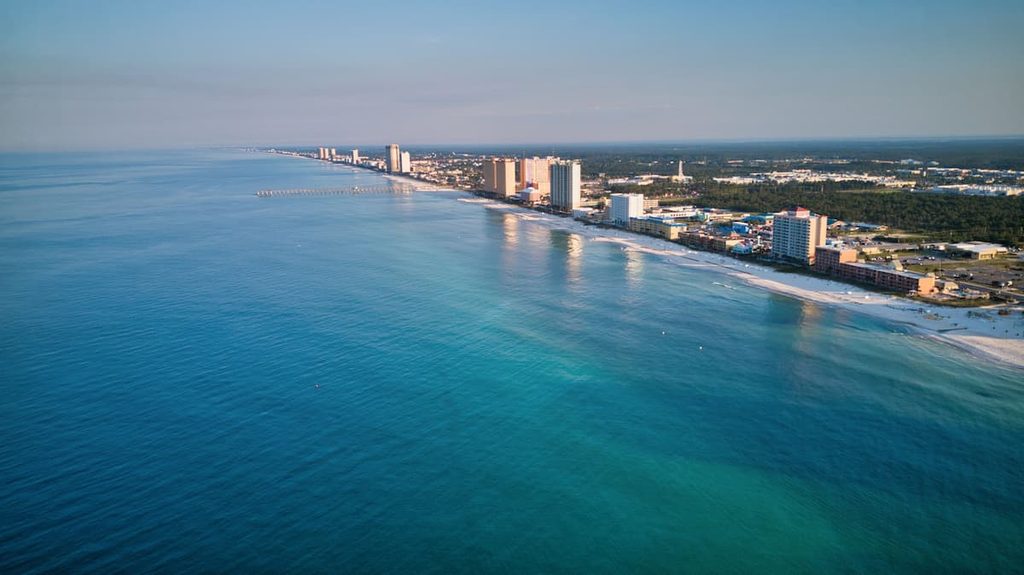
Type: Designated dog beach
Panama City Beach allows dogs on one designated section of sandy shoreline immediately west of Russell-Fields City Pier at Pier Park. Pets are otherwise prohibited on the city’s sandy beaches, except for qualifying service animals, according to the City of Panama City Beach.
Location and permitted area: The dog beach is on the west side of Russell-Fields City Pier at 16201 Front Beach Road.
Leash rule: Dogs must be leashed.
Hours: Russell-Fields Pier and Beach is listed by the city as open 24 hours a day, 365 days a year. The city does not publish separate dog-beach hours.
Fees or permits: No separate dog permit is listed.
Major restrictions: Dogs must stay inside the designated beach section west of the pier, and owners must clean up after them.
Check the city’s current dog rules before going.
Tampa Bay and Central Gulf Coast
Honeymoon Island State Park Pet Beach — Dunedin
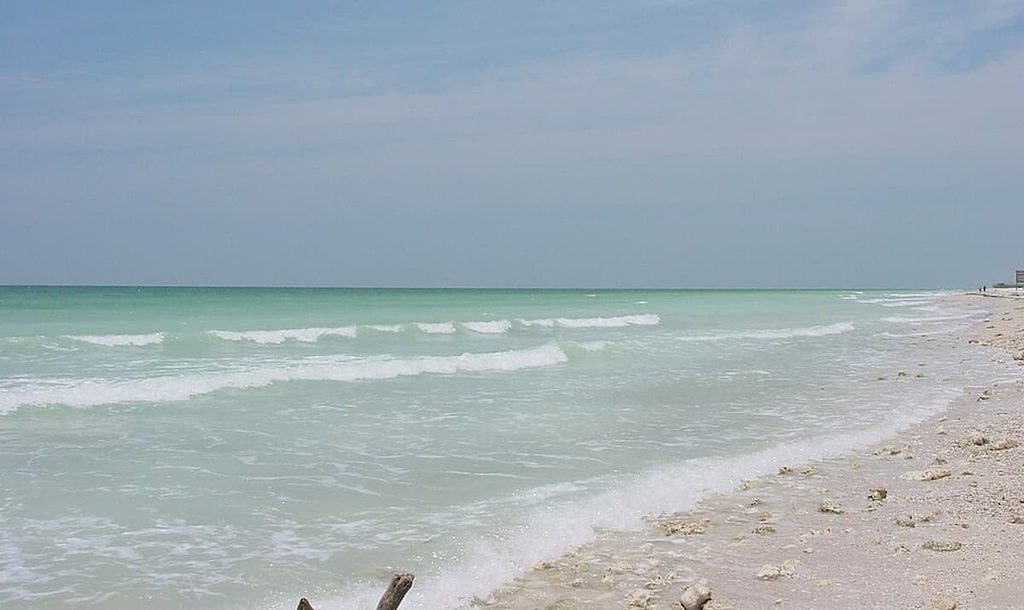
Type: Designated pet beach
Honeymoon Island State Park has one of the few official pet beaches within the Florida State Parks system. The Florida Park Service says pets are generally prohibited on state park beaches, making Honeymoon Island’s designated pet area a notable exception.
Location and permitted area: The pet beach is on the southern tip of Honeymoon Island State Park at 1 Causeway Blvd. in Dunedin.
Leash rule: Dogs must remain on a hand-held leash no longer than six feet, including while on the pet beach and in the water. The rule is listed on the park’s official amenities page.
Hours: 8 a.m. to sunset, 365 days a year.
Fees or permits: Current park admission is $8 per vehicle for two to eight people, $4 for a single-occupant vehicle, and $2 for pedestrians and bicyclists. Check the official hours and fees page before traveling.
Major restrictions: Dogs must stay in designated pet areas and may not be taken onto ordinary swimming beaches where pets are prohibited.
Fort De Soto Dog Beach — Tierra Verde
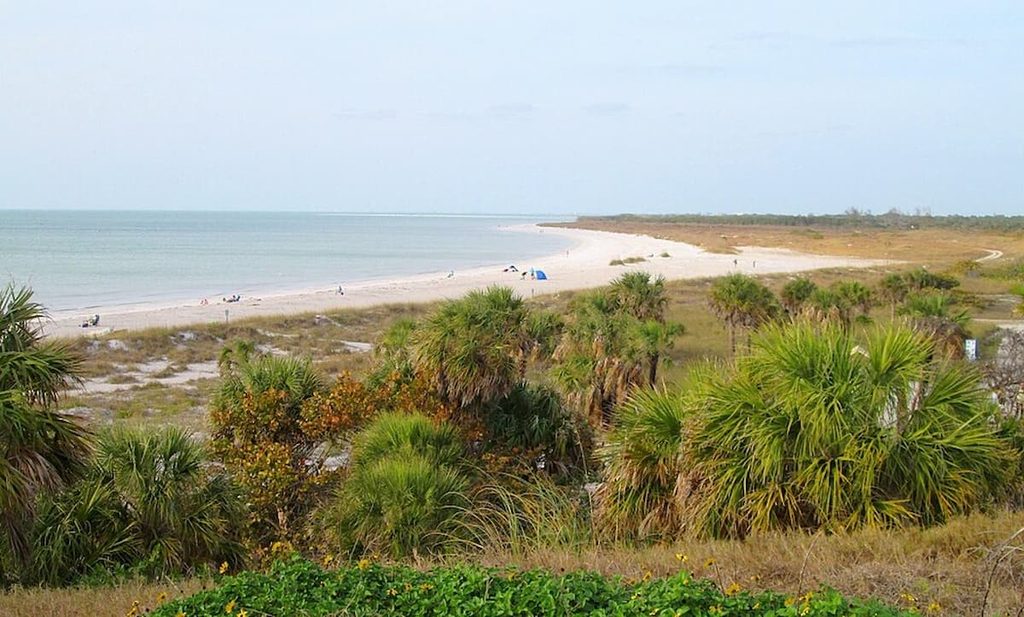
Type: Designated off-leash dog beach
Fort De Soto Park has a designated dog beach where dogs may legally play off-leash. It is an exception to the broader Pinellas County rule that generally prohibits dogs from county beaches.
Location and permitted area: Fort De Soto Park, 3500 Pinellas Bayway South, Tierra Verde. The dog beach is beside the park’s fenced dog areas.
Leash rule: Dogs may be off-leash inside the designated dog beach but must remain under voice control. Outside the dog beach and dog park, Pinellas County requires dogs to be leashed.
Hours: 7 a.m. to sunset.
Fees or permits: Fort De Soto charges a $6 parking fee. No separate dog permit is listed.
Major restrictions: Off-leash use is limited to the dog beach and designated dog park areas. Dogs are otherwise prohibited from county beaches, swimming areas, piers, and certain other facilities.
Check the official Fort De Soto Park page for current rules.
Northeast Florida
Nassau County Beaches — Amelia Island Area
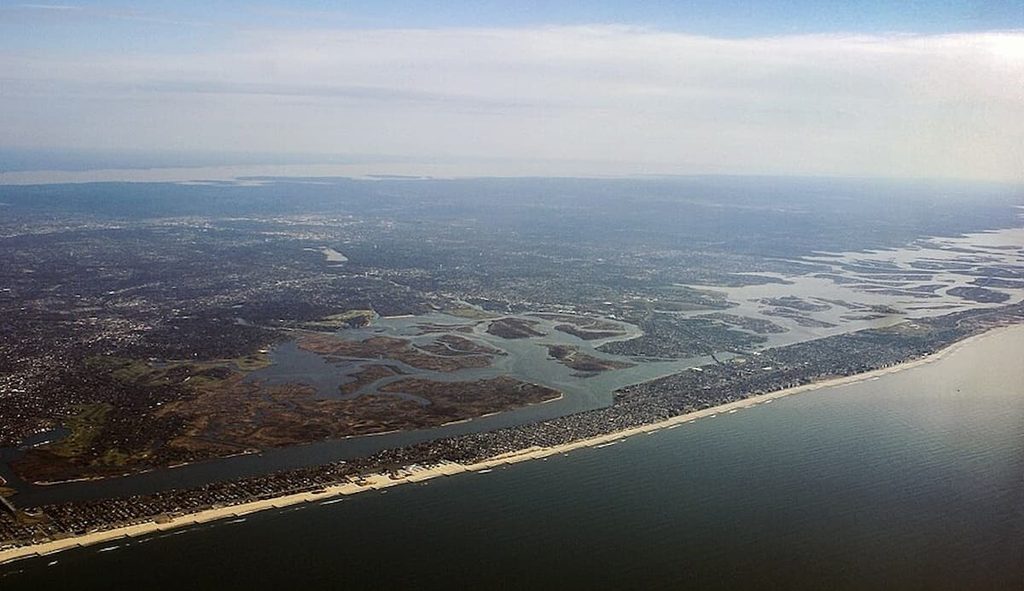
Type: Ordinary beaches allowing leashed dogs
Nassau County allows dogs on its unincorporated Atlantic beaches as long as they remain leashed. That does not mean every beach on Amelia Island follows the same rule, because municipal beaches and state park property may have different restrictions.
Location and permitted area: Unincorporated Nassau County Atlantic beaches.
Leash rule: Dogs must remain leashed and may not run at large.
Hours: The county does not impose separate dog-access hours. However, vehicle access to the beach has seasonal overnight restrictions.
Fees or permits: No dog-beach permit or dog access fee is listed. Separate rules apply to vehicles driven onto the beach.
Major restrictions: Owners must pick up and properly dispose of dog waste. State park areas follow separate Florida State Parks rules.
Current regulations are available through Nassau County’s beachfront parks information.
St. Johns County Beaches — St. Augustine Area
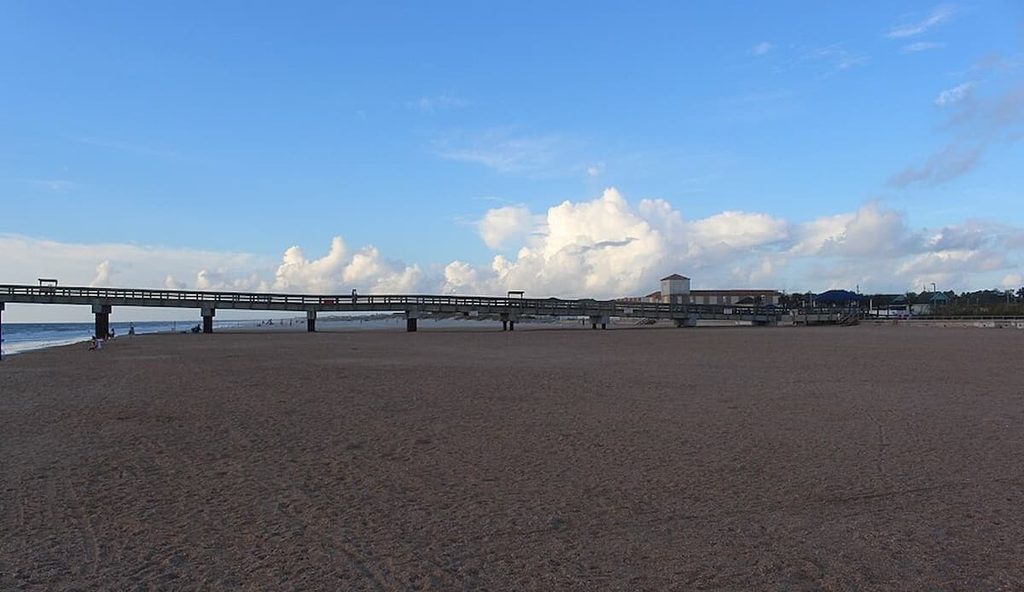
Type: Ordinary beaches allowing restrained dogs
St. Johns County permits dogs on county beaches, but they must remain under physical control. The county specifically says the restraint rule applies both on the sand and in the water.
Location and permitted area: County-managed beaches in the St. Augustine area, subject to any posted site-specific restrictions.
Leash rule: Dogs must be controlled by a leash, cord, or chain no longer than 12 feet, according to St. Johns County beach rules.
Hours: Pedestrian beach access remains open 24 hours. Vehicle access has separate gate schedules, including seasonal restrictions during sea turtle nesting season.
Fees or permits: No separate dog permit is required. Drivers entering designated beach-driving areas may need to pay a toll during the county’s fee season.
Major restrictions: Dogs must stay restrained even while in the water. Individual access points may also be temporarily restricted because of weather, tides, wildlife, or beach conditions.
Flagler Beach — North and South Dog-Permitted Zones
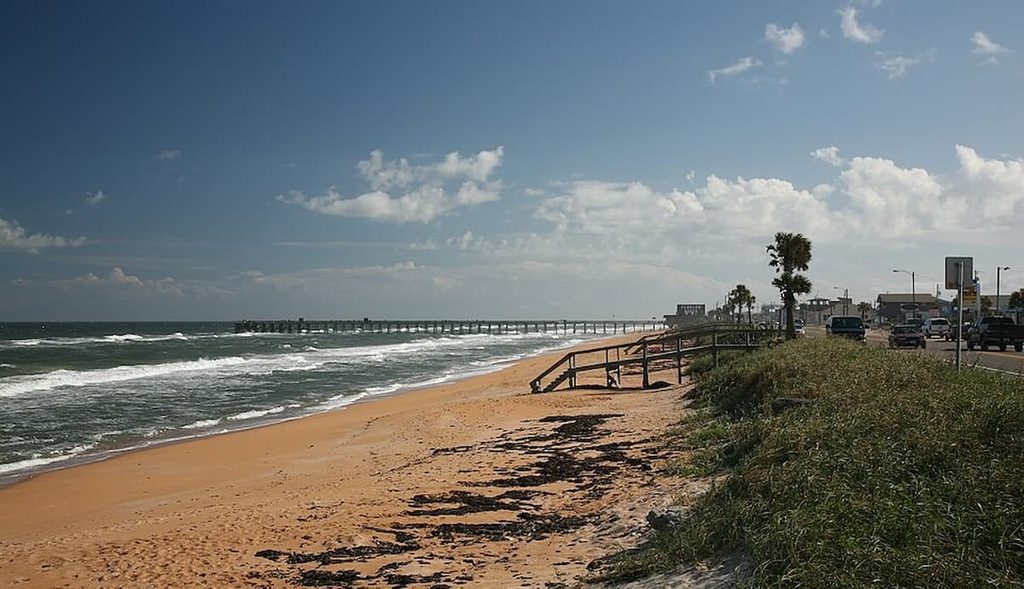
Type: Ordinary beach sections allowing leashed dogs
Flagler Beach permits dogs on substantial sections of shoreline, but not along the central beach surrounding the pier.
Location and permitted area: Dogs are allowed north of North 10th Street and south of South 10th Street.
Leash rule: Dogs must be on a hand-held leash or harness no longer than eight feet.
Hours: The city does not list separate seasonal or time-of-day dog restrictions for the legal dog areas.
Fees or permits: No dog-beach permit is listed.
Major restrictions: Dogs are prohibited on the central stretch between North 10th Street and South 10th Street.
The current rules are outlined by the City of Flagler Beach.
Space Coast
Cocoa Beach Dog-Friendly Beach — Cocoa Beach
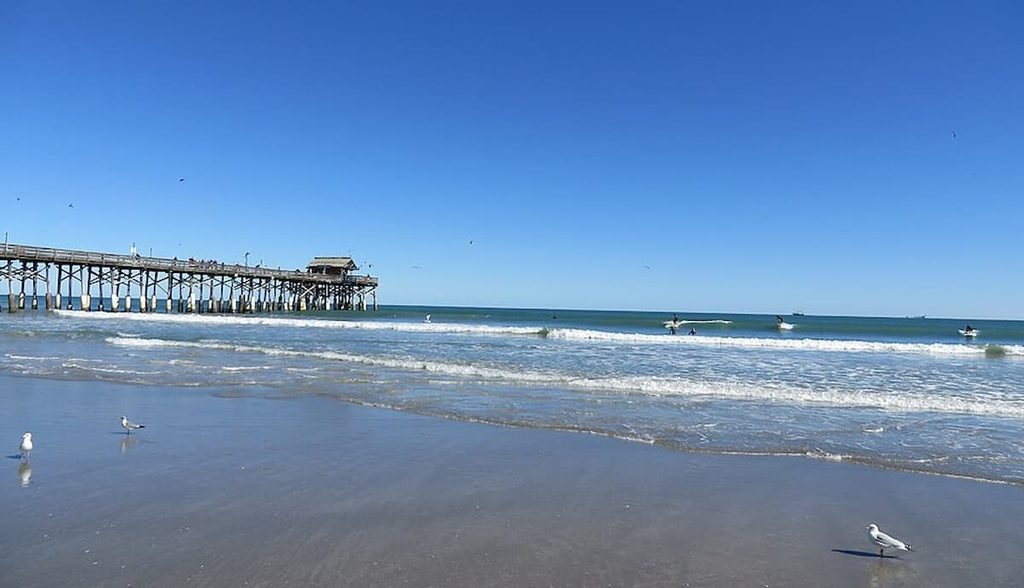
Type: Designated dog-permitted beach section
Cocoa Beach allows dogs on one defined stretch of shoreline, but only during specific morning and evening hours.
Location and permitted area: From 4th Street South southward to the north side of Robert P. Murkshe Memorial Park.
Leash rule: Dogs must remain on a leash no longer than 10 feet.
Hours: During Standard Time, dogs are allowed from 6 to 10 a.m. and 4 to 7 p.m. During Daylight Saving Time, the hours are 6 to 10 a.m. and 5 to 9 p.m.
Fees or permits: No separate dog permit is listed.
Major restrictions: Owners must clean up after their dogs and keep them away from protected wildlife areas.
The City of Cocoa Beach beach guidelines contain the current dog-access rules.
Southeast Florida
Jupiter Dog Beach — Jupiter
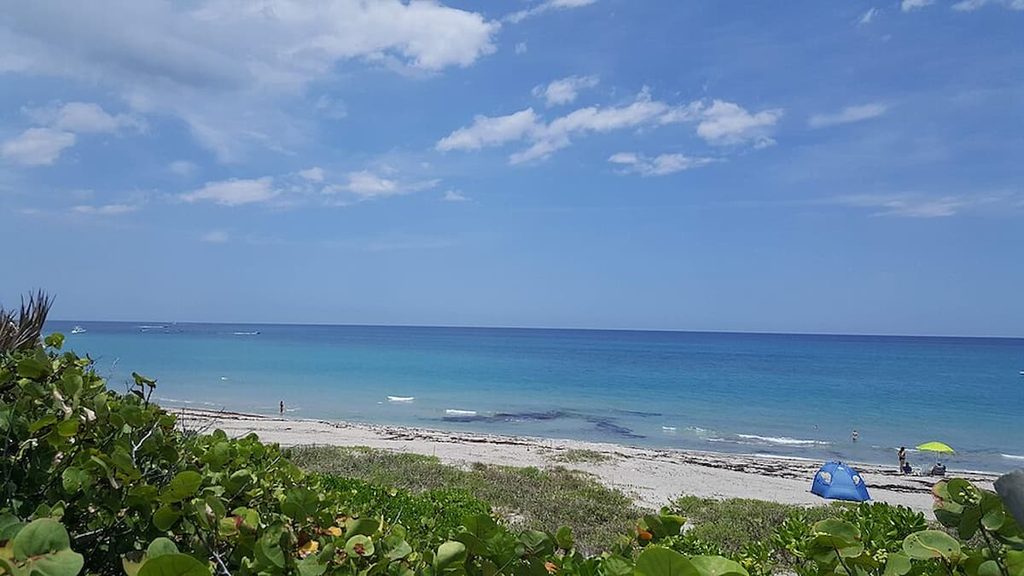
Type: Designated off-leash dog beach
Jupiter has one of Florida’s longest official dog-permitted beach areas, stretching roughly 2.5 miles along the Atlantic. Well-behaved dogs may be off-leash inside the designated zone.
Location and permitted area: From crossover #26 near Marcinski Road and Ocean Cay Park north to crossover #57 near the Carlin Park property line.
Leash rule: Dogs may be off-leash on the designated beach if they are obedient and remain under voice control. They should be leashed while traveling between the parking area and the beach and anywhere outside the permitted zone.
Hours: Sunrise to sunset.
Fees or permits: No dog permit is required. Palm Beach County says parking near the dog beach is free.
Major restrictions: Dogs are not allowed in posted no-dog areas or lifeguarded beach sections. Owners must remove waste, and dogs must have appropriate tags, licenses, and rabies vaccination documentation.
See the Town of Jupiter’s official dog-beach rules.
Haulover Park Dog Beach — Miami-Dade County
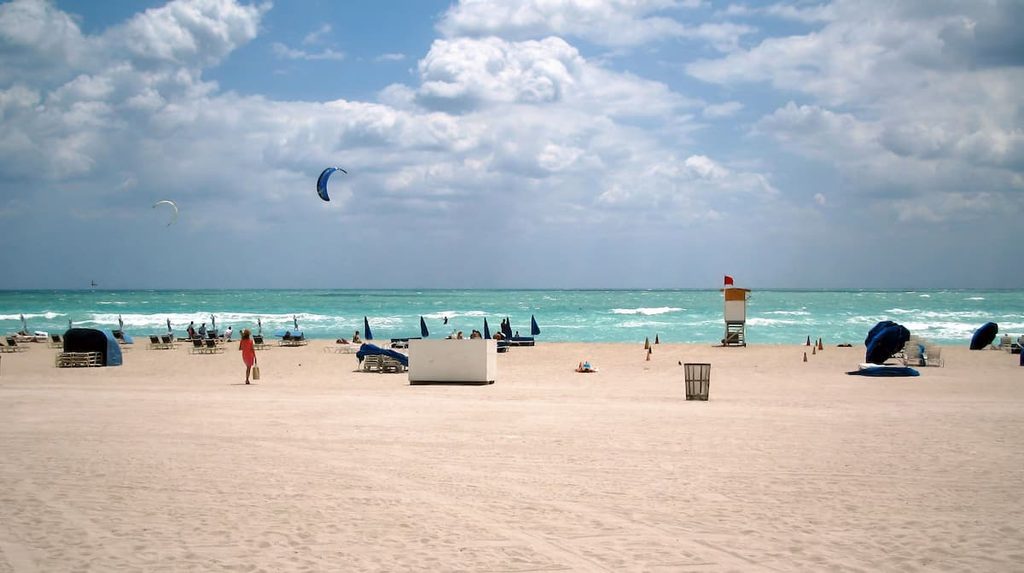
Type: Designated off-leash dog beach
Haulover Park has a dedicated section of ocean beach where dogs are allowed off-leash, along with a separate fenced Bark Park.
Location and permitted area: The dog beach is between lifeguard towers 2 and 3, across from the Bark Park.
Leash rule: Dogs must remain leashed while moving through the park but may be off-leash inside the designated dog-beach area.
Hours: Sunrise to sunset.
Fees or permits: Miami-Dade lists a vehicle fee associated with the Bark Park area. Parking charges elsewhere in Haulover Park may differ, so owners should check current rates before arriving.
Major restrictions: Dogs must remain inside the designated section while off-leash. Normal leash requirements apply elsewhere in the park.
See the official Miami-Dade County Haulover Park page for current access and parking details.
Which Florida beaches allow dogs off leash?
Among the destinations listed here, Fort De Soto Dog Beach, Jupiter Dog Beach and Haulover Park Dog Beach allow dogs off leash within designated areas.
Pensacola Beach, Panama City Beach, Honeymoon Island, Cocoa Beach, St. Johns County, Nassau County, and Flagler Beach require dogs to remain leashed or otherwise physically restrained under their current rules.
Check the rules before every trip
Florida beach rules are highly local. Dogs can be legal on one stretch of shoreline and prohibited a few hundred yards away because a city boundary, county park, state park, or protected wildlife area follows different regulations.
Rules can also change because of sea turtle nesting, hurricanes, erosion, construction, wildlife activity, or emergency closures. Before traveling, check the official city, county, state park or beach-authority page again and follow posted signs when you arrive.
A nearby hotel, restaurant, or vacation rental describing an area as “pet-friendly” does not mean the beach itself permits dogs. The local beach authority’s rule is the one that matters.
